Science
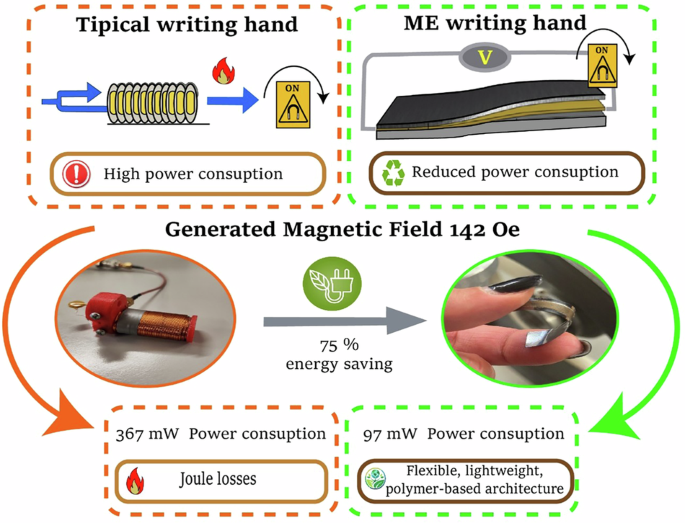
Voltage-Driven Magnetic Laminates Cut Spintronic Power Use by 75%
Polymer-based magnetoelectric laminates generate magnetic fields with voltage instead of current, cutting power use by nearly 75%, Nature reports.
Kunal Singh · 14 Oct 2026216
Science, discoveries and how the world works. · 275 articles
Polymer-based magnetoelectric laminates generate magnetic fields with voltage instead of current, cutting power use by nearly 75%, Nature reports.
Neuroscience reveals why cramming fails and what actually works. These 7 brain-based study techniques boost retention, memory, and recall.

A fossil skull kept in storage for more than 100 years has been identified as a new dinosaur species from the Isle of Wight.
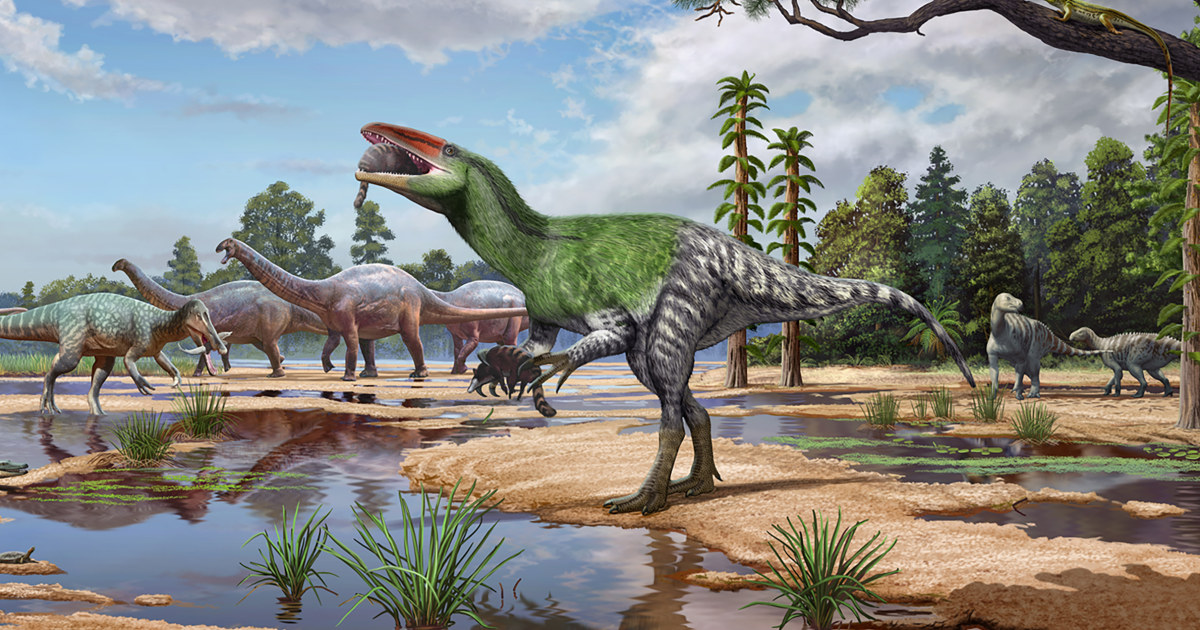
A partial skull stored since 1924 belongs to Invictibellatrix amberina, the first megaraptoran dinosaur found in Europe.

Yonsei University's astronomy team will receive 12 billion won over six years to use AI in the search for dark matter, with Sejong and Kyung Hee universities joining the project.
A major quantum computing milestone just happened. Here's what it actually means for your money, your health, and your privacy — minus the hype.

Early risers across Florida and Alabama reported a jellyfish-shaped glow in the sky, linked by local outlets to a SpaceX launch.
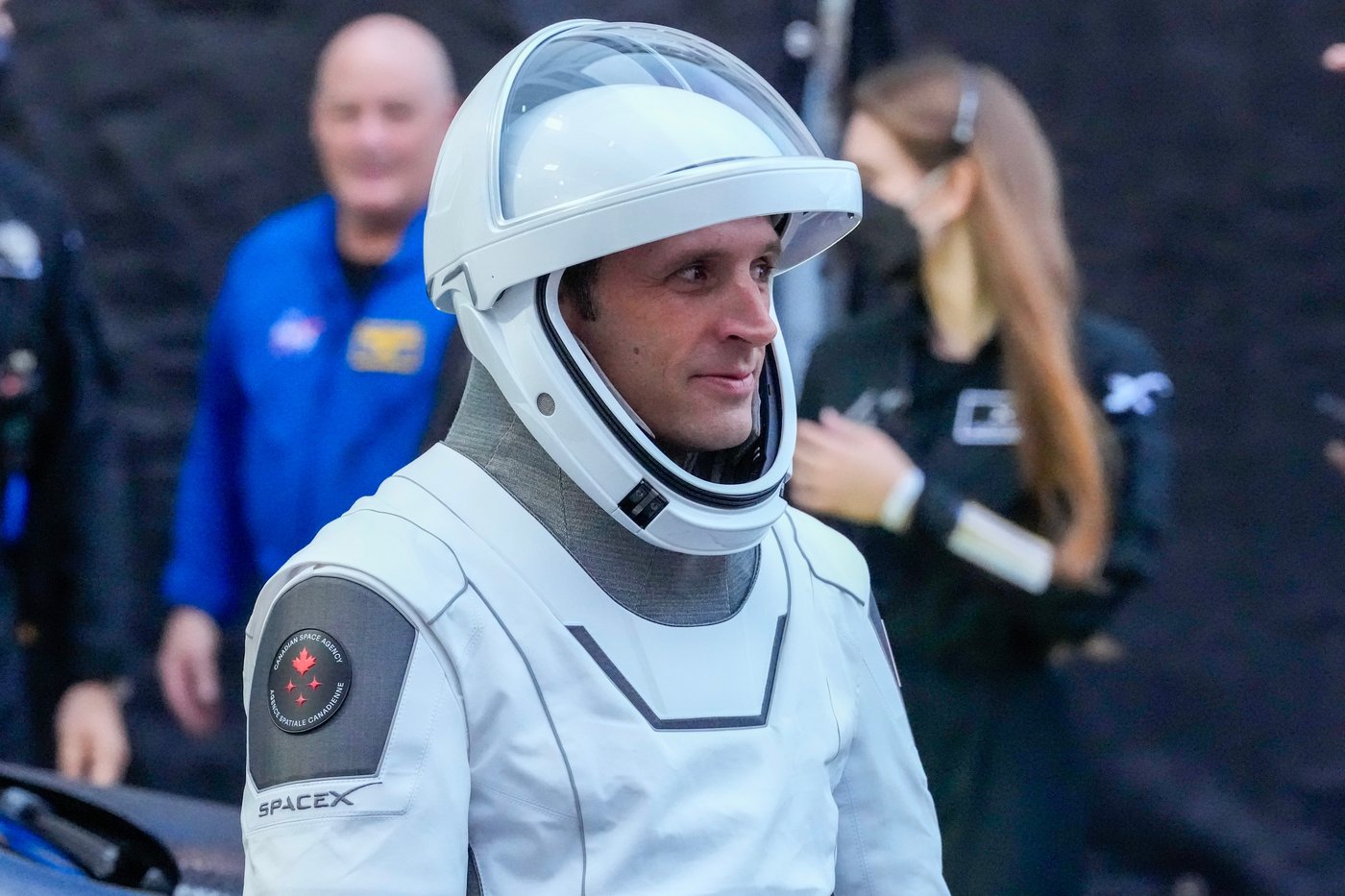
Joshua Kutryk says his time aboard the International Space Station demonstrates Canada's ability to work at the forefront of space exploration.

A new study in Science sequenced 160 bison genomes, revealing how near-extinction reshaped the species and what it means for conservation.
Your gut holds 500 million neurons and makes 90% of your serotonin. Here's how the "second brain" secretly controls your mood, stress, and mental health.

A man scouting campsites on Google Maps noticed a strange ring around a Quebec lake. Researchers have now confirmed it as a 390-million-year-old impact crater.

Astronomers report the largest asteroid yet seen spinning at ultra-fast speeds, detected by the Vera Rubin Observatory.
An international research team has mapped how a lab-made RNA switch called G12 detects the antibiotic doxycycline to control gene activity.

A joint China-US astronomy team may have identified what could be left of a recent site where gold was forged, the South China Morning Post reports.

Phys.org reports a new ceramic film gains magnetic properties through chemical disorder, with possible use in faster, lower-power electronics.

Sci.News reports the discovery of a previously unknown belemnite species in Wyoming, described by researchers as peculiar.
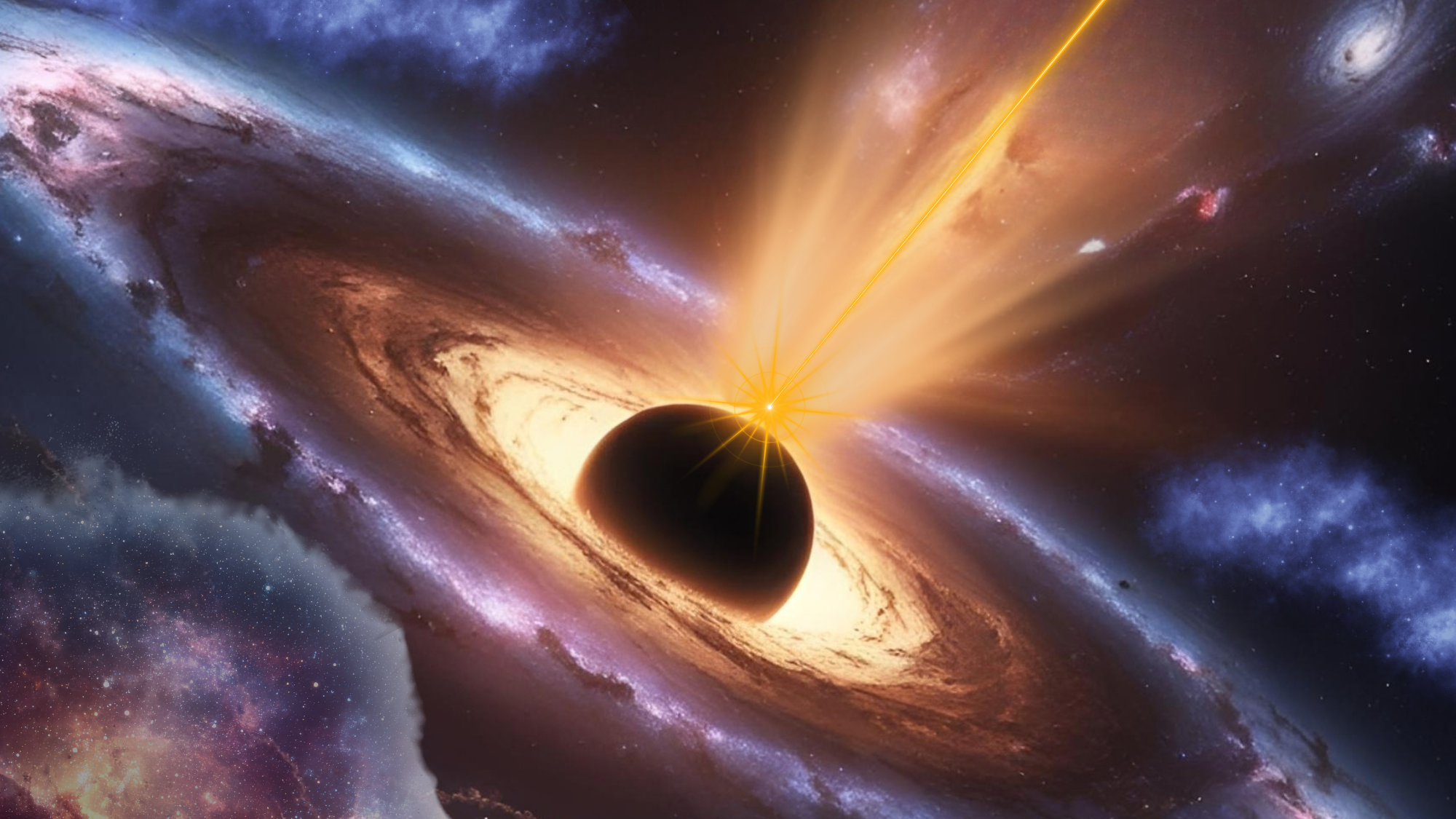
Astronomers used NASA's Swift observatory to link an X-ray outburst from NGC 1275's black hole to radio jets that appeared roughly 300 days afterward.

Research reported by Phys.org links the consistency of marine snow to how effectively it moves carbon into the ocean's depths.
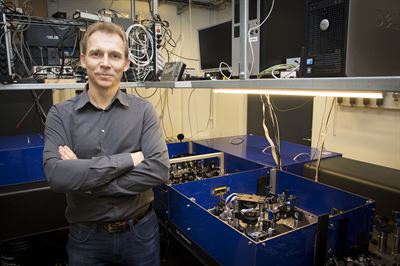
A new spectroscopy method let Lund University scientists follow light energy through purple bacteria, revealing near-perfect efficiency in photosynthesis's opening moments.

Francis Halzen wins the 2026 Nobel Prize in physics for work on detecting cosmic neutrinos, with Canada's SNOLAB cited as a contributor.

Saudi snow, California floods, Australian heat — all in one week. Here's why the climate crisis is no longer distant, and what most people get wrong.

A new theory proposes that tiny ancient black holes may exist in a five-dimensional universe, offering possible answers on dark matter.

A Nature study links InSAR ground movement in southwestern Cyprus to landslide activity class, rock type and rainfall as the dominant driver.
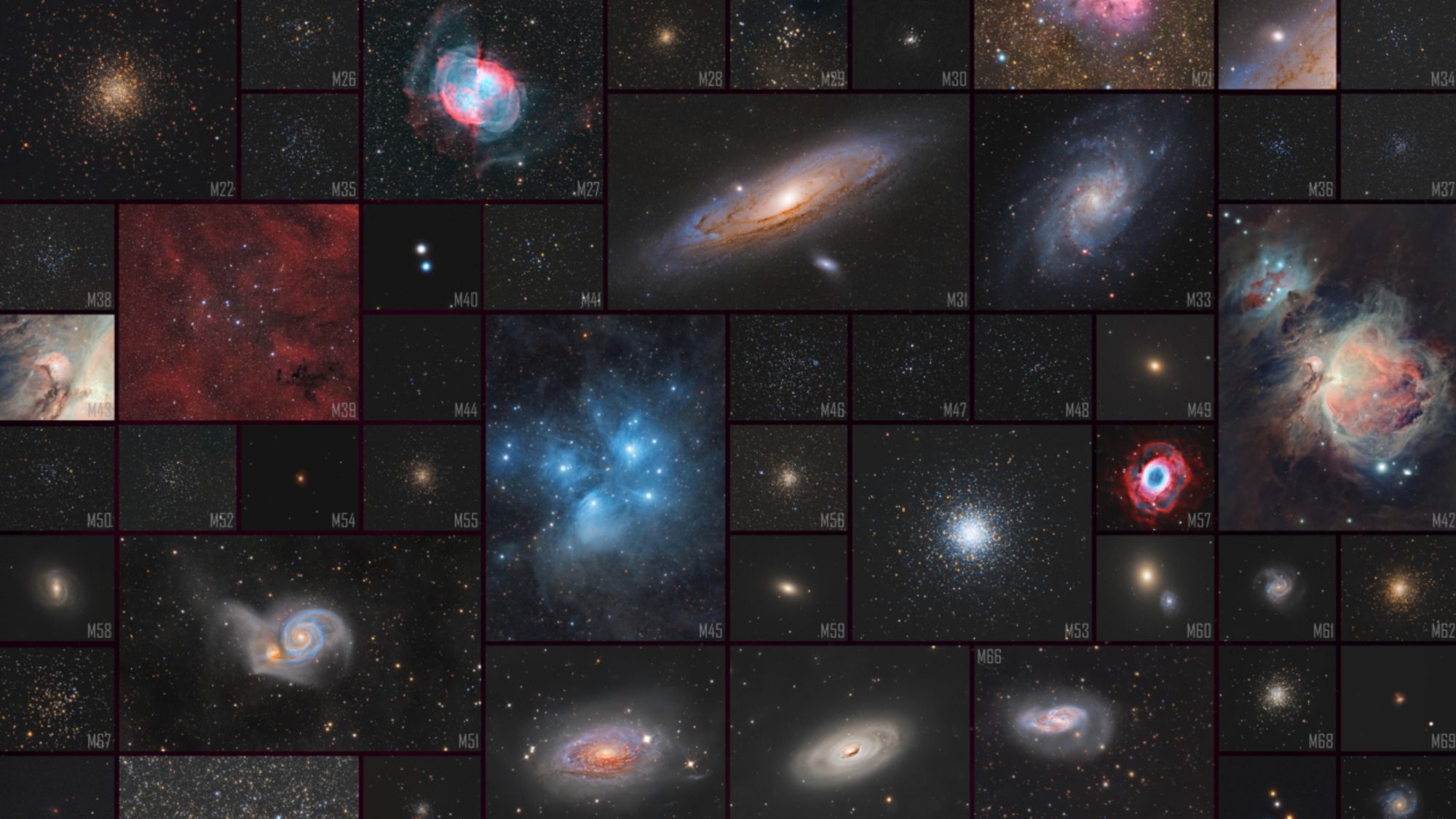
Cornelis van Zuilen photographed every galaxy, star cluster and nebula in the Messier catalog, sleeping in his car on many nights to finish the project.
Page 2 of 12