Science
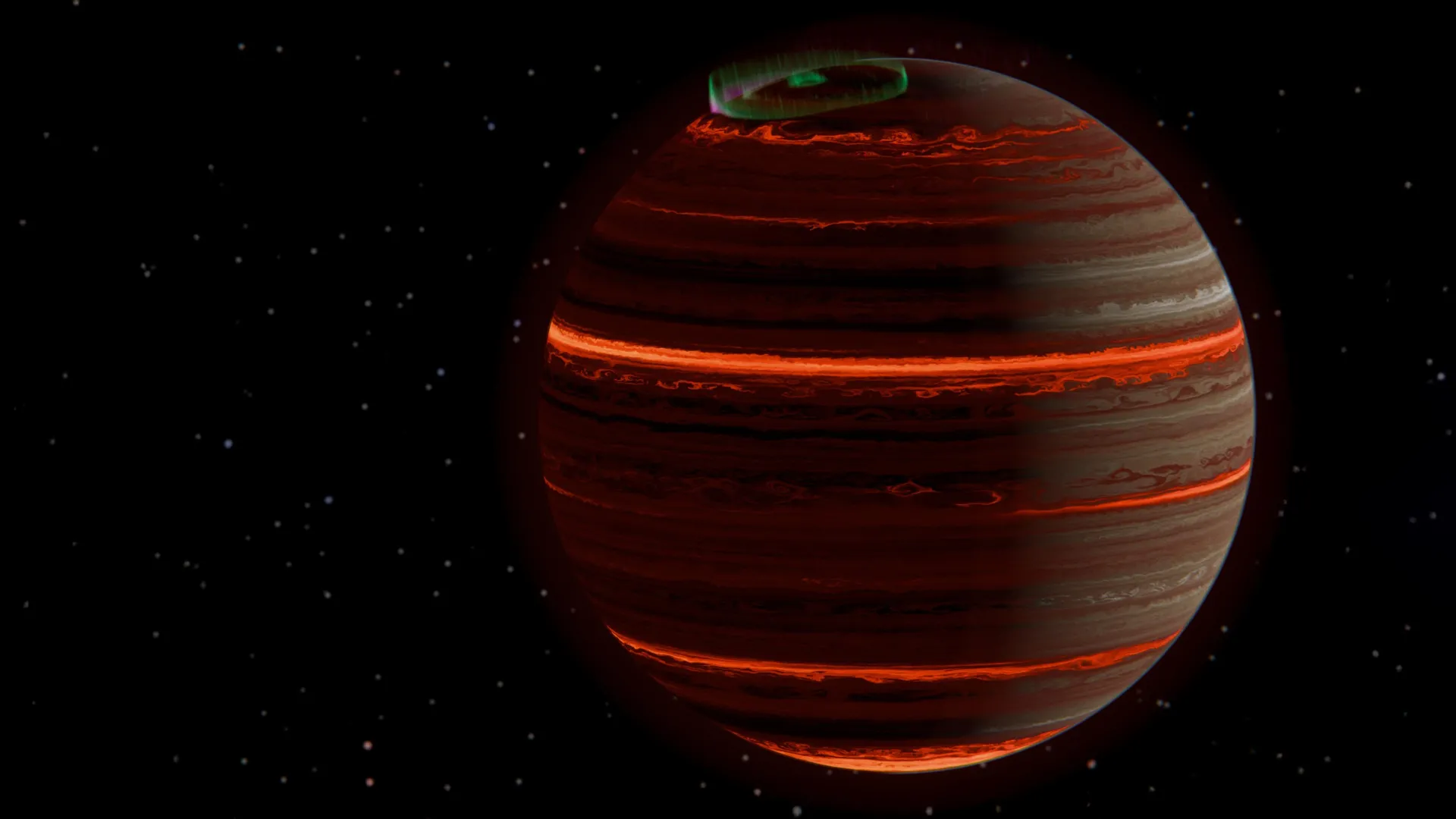
Webb Telescope Finds Two Factors Drive Weather on Brown Dwarf SIMP 0136
Trinity College Dublin researchers used James Webb Space Telescope data to show temperature and cloud structure govern SIMP 0136's atmosphere.
Zhong Lin · 17 Oct 2026158
Science, discoveries and how the world works. · 275 articles
Trinity College Dublin researchers used James Webb Space Telescope data to show temperature and cloud structure govern SIMP 0136's atmosphere.
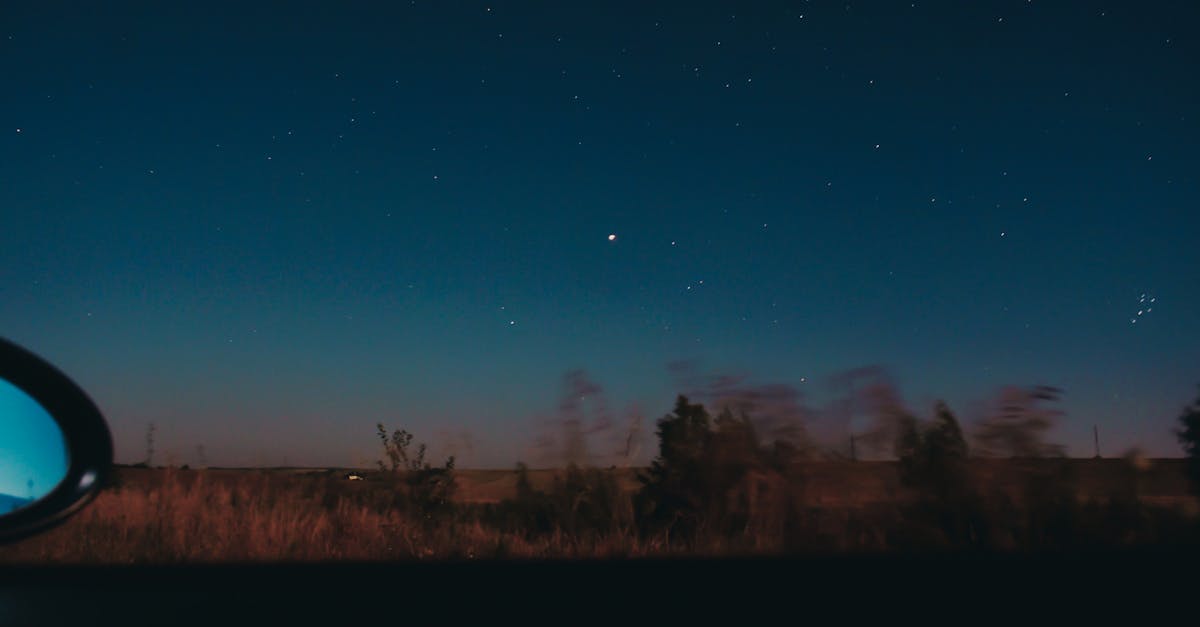
Astronomy.com's sky guide for Saturday, October 17, points stargazers toward a celestial feature known as the Wild Ducks.

Universe Today reports that despite BepiColombo's arrival, Mercury's odd core, magnetic field and dark surface won't be fully explained without a surface mission.

New research says Antarctica's Thwaites glacier is melting from below faster than models assumed, with sea-level estimates doubling.

A new finding reported by Phys.org suggests cell division also helps reshape tissues, expanding what scientists know about the process.
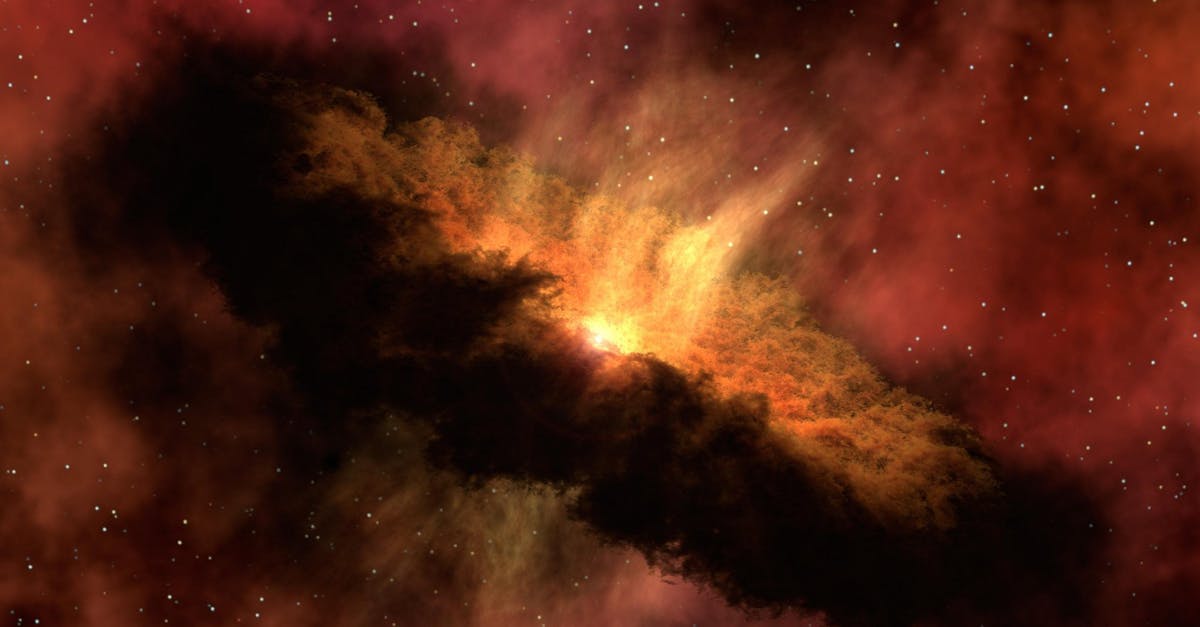
A new three-dimensional model indicates that shadows play a role in shaping the chemistry of stellar nurseries, Phys.org reports.
Phys.org reports that climate warming can slow the way tree roots supply soil microbes, a shift with possible consequences for forest carbon.
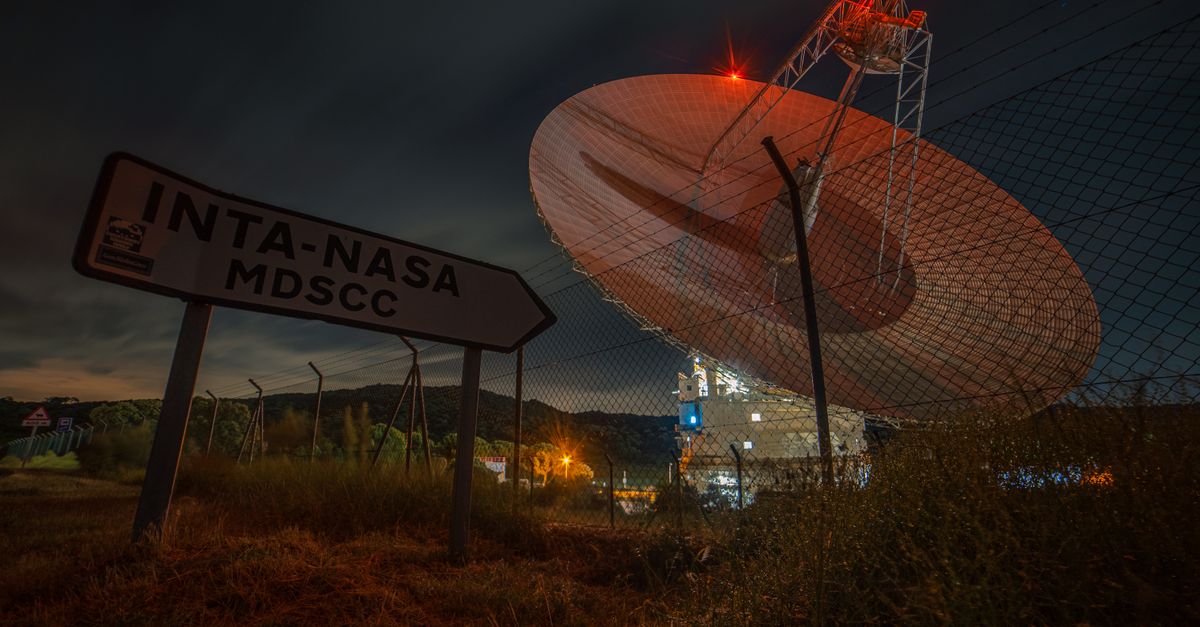
A tiny NASA telescope detected a signal from Cygnus X-1 that breaks our black hole models — and physicists are quietly freaking out. Here's what it means.

Research in Science examines kinetic-driven microphase separation and vitrification in crowded hydrogels that contain associative bonds.

A real breakthrough in aging research just happened. Here's what scientists actually did, why it's different, and what it means for humans. No hype, just truth.
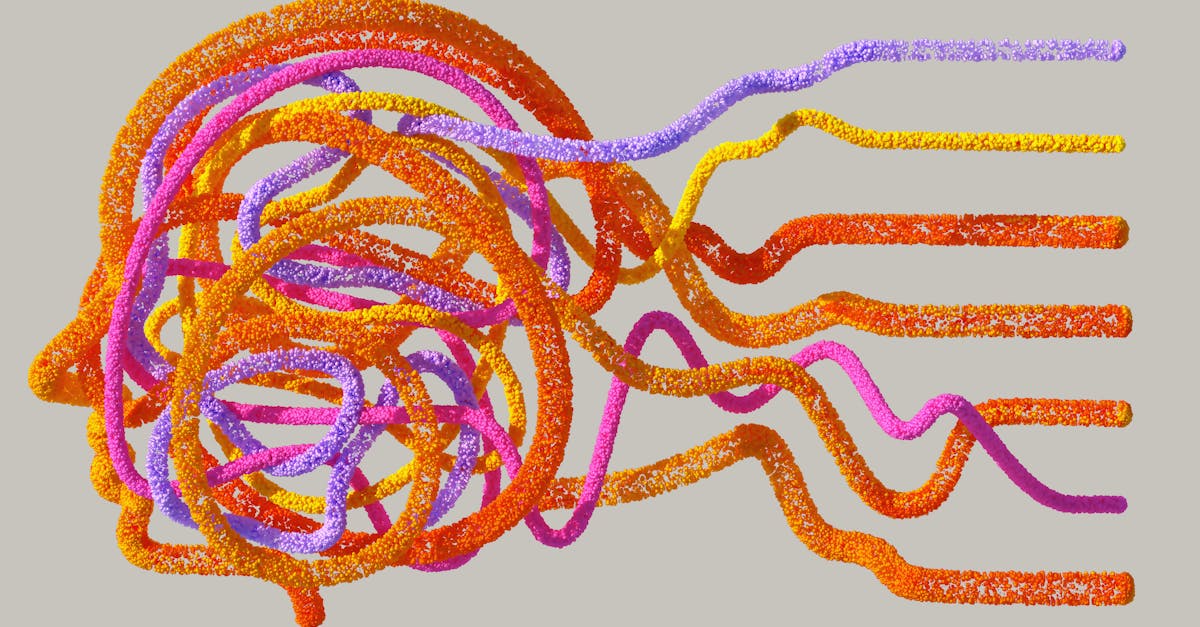
Phys.org reports that deep learning can forecast air drag, helping predict when uncontrolled satellites and rocket stages fall to Earth.

Science-backed 10-minute morning habits that boost metabolism, steady blood sugar, and energy all day — no gym or supplements required.

A rock formation in Madagascar dating back more than 600 million years has been exposed at Earth's surface, according to Indonesian media reports.

The Philippine science department is asking for ₱500 million to fund water filtration and desalination technology as El Niño-driven scarcity looms.
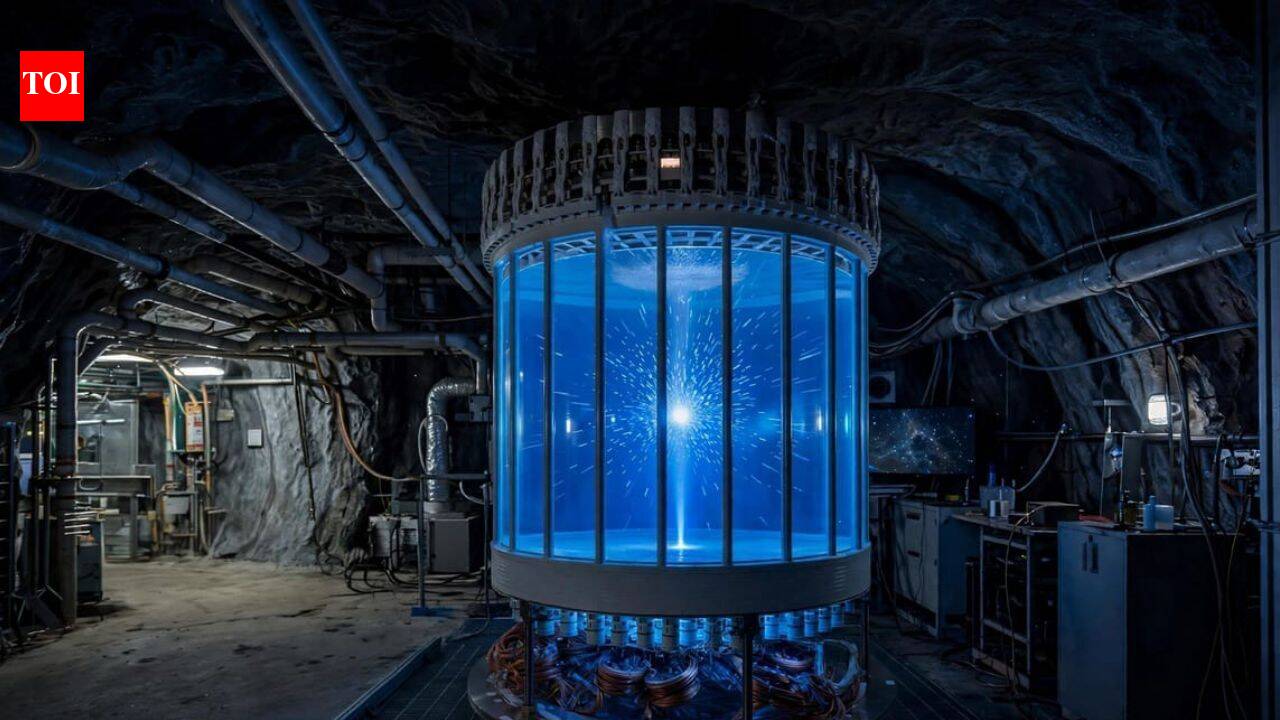
A detector buried nearly a mile underground has recorded an unexplained particle interaction during the hunt for dark matter, The Times of India reports.

A newly described framework connects magnetic phase boundaries with string-like defects in spin ice, according to Phys.org.

A UC San Diego study reports that activating small sets of neurons in the motor cortex can drive learned movements, according to News-Medical.

A new study reports that direct contact with healthy corals can reverse bleaching in damaged reefs within about a week.

A new climate report says Earth's condition is serious and deteriorating, with scientists warning change is outpacing efforts to respond.

RRI.co.id reports that radio emissions from hydrogen in the early universe could open a new way to study dark energy.
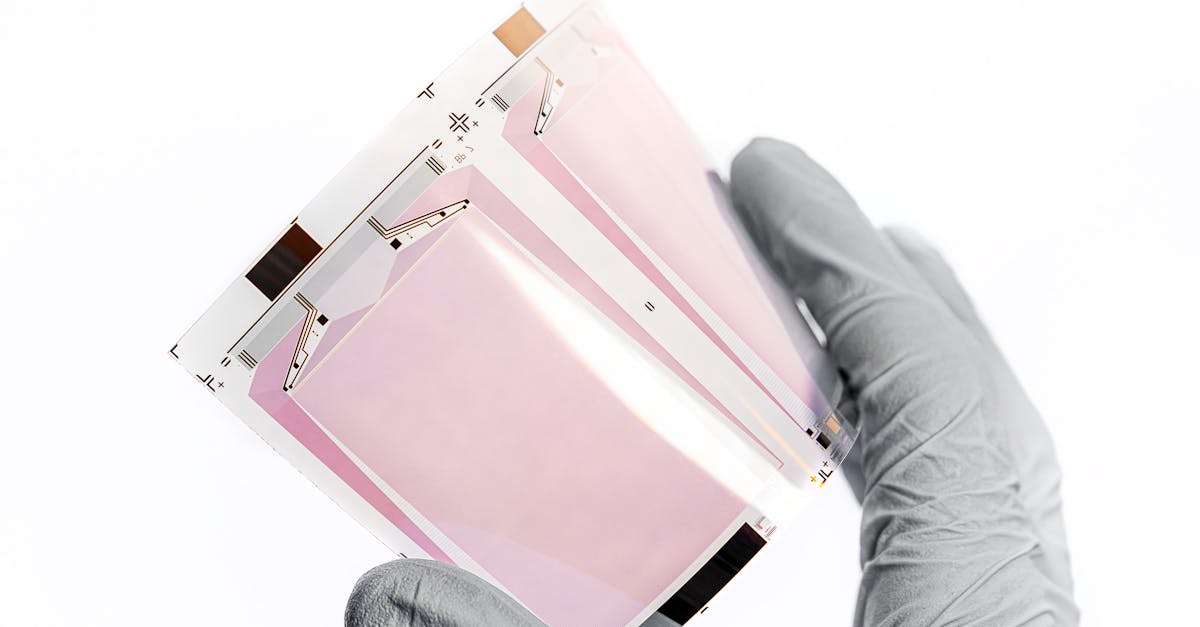
Cornell Chronicle reports that an electrical sliding technique can switch graphene between different magnetic states, a finding with possible implications for future electronics.
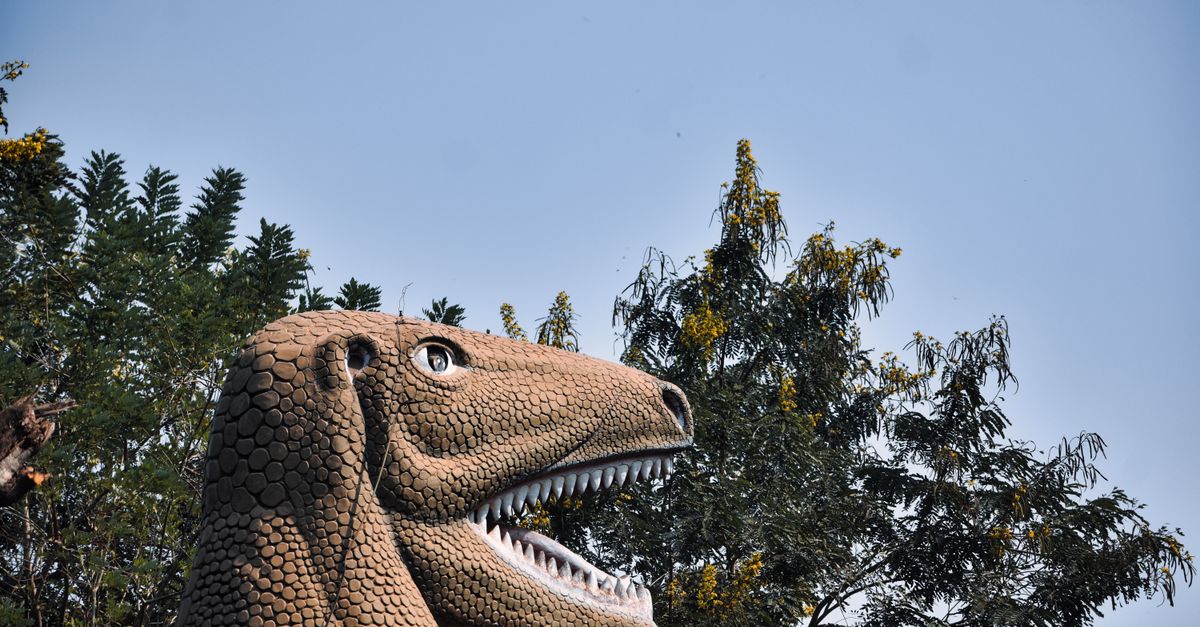
University of Alberta researchers say fossil bite marks suggest a small raptor fed on a fallen tyrannosaur, according to Sci.News.

Loneliness is an epidemic, but Gen Z is fighting back by reviving "third places." Discover the surprising science behind why libraries and diners are the new social hubs.

RRI.co.id reports that Halley's Comet, last seen in 1986, will return in 2061 after a viewing that left observers underwhelmed.
Page 1 of 12