
Picture this: I'm at a family reunion last summer, and my 19-year-old cousin walks in wearing a vintage Lakers tee. My uncle—a man who has bled purple and gold since the Magic Johnson era—lights up. "You watch the games?" he asks. My cousin shrugs. "Nah, I just like the aesthetic. The logo's iconic." The silence that followed was louder than any arena I've ever been in.
That moment stuck with me. Because here's the thing—my cousin isn't an anomaly. He's the rule. Gen Z is abandoning traditional sports fandom in droves, and it's not because they hate competition or athletic excellence. It's because the entire ritual of being a fan has been rewritten, and the old playbook isn't working anymore.
The Numbers That Should Terrify Every League Commissioner
Let's get the uncomfortable stats out of the way. Surveys consistently show that Gen Z watches significantly less live sports than any generation before them. A Morning Consult study found that while older millennials and Gen Xers tune in weekly, a huge chunk of Gen Z admits to watching sports "rarely or never." And when they do watch? It's highlights. Clips. TikToks. Not the three-hour broadcast.
I've found that most people blame attention spans. That's lazy thinking. These are the same kids who'll binge a six-hour K-drama or sit through a three-hour livestream of their favorite musician gaming. It's not about attention—it's about investment. They're not refusing to engage. They're refusing to engage on the leagues' terms.
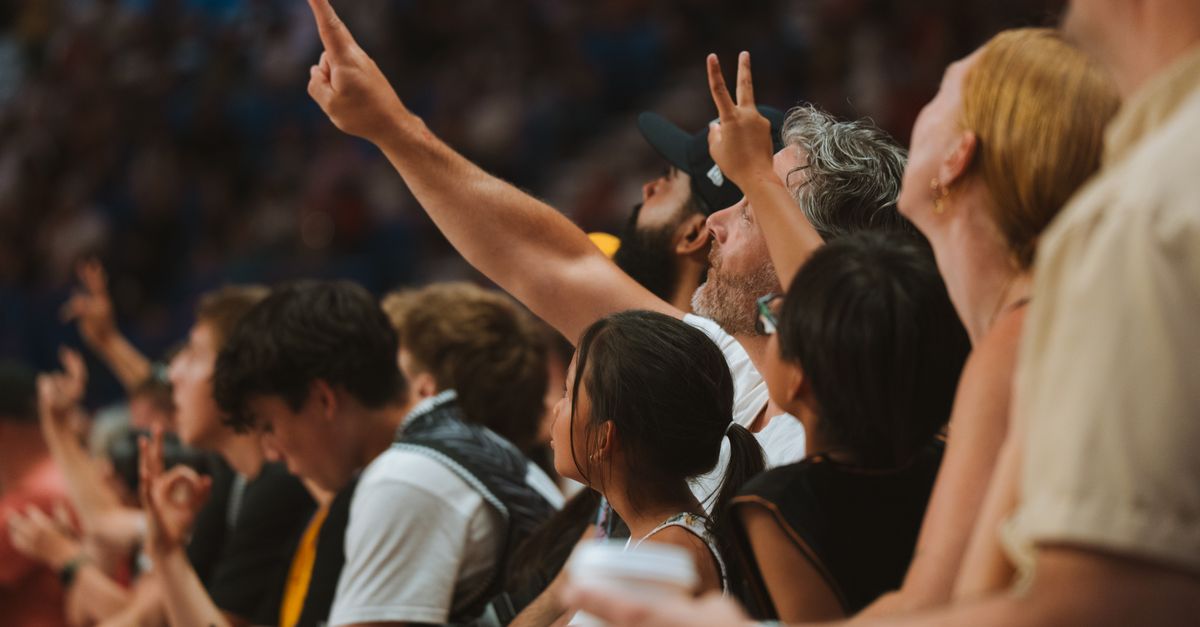
Fandom Used to Be Inherited. Now It's Curated.
Here's what most people miss: sports fandom was never really about the sport. It was about inheritance. You rooted for your dad's team. You wore the jersey your grandfather wore. Fandom was a family heirloom, passed down like a watch or a bad temper.
Gen Z doesn't do inherited loyalty. They grew up on algorithms that taught them to choose their obsessions—music, creators, aesthetics, causes. They curate their identities the way I curate a Spotify playlist. So when a league offers them a team simply because of geography or bloodline? That pitch falls flat.
Traditional sports fandom asks for blind loyalty. Gen Z wants a reason to care. They want to know the player's story, their values, their personality. They want to see athletes as full humans, not just jerseys. That's why they'll follow a player's podcast but skip the game. That's why they'll rally behind a cause an athlete champions but shrug at a playoff run.
The Music Parallel Nobody's Talking About
I cover music, so let me connect a dot the sports world keeps missing. Look at how the music industry adapted. Artists don't just release albums and hope you show up. They drop behind-the-scenes content, they livestream, they build parasocial relationships with fans through social media, they sell experiences and not just products.
Sports leagues are only now figuring out they have to do the same thing. And honestly? Some are doing it brilliantly.
- The NBA, for instance, has leaned hard into player-driven storytelling, social media clips, and creator partnerships. Their "NBA on TikTok" strategy isn't just marketing—it's a whole new fandom entry point.
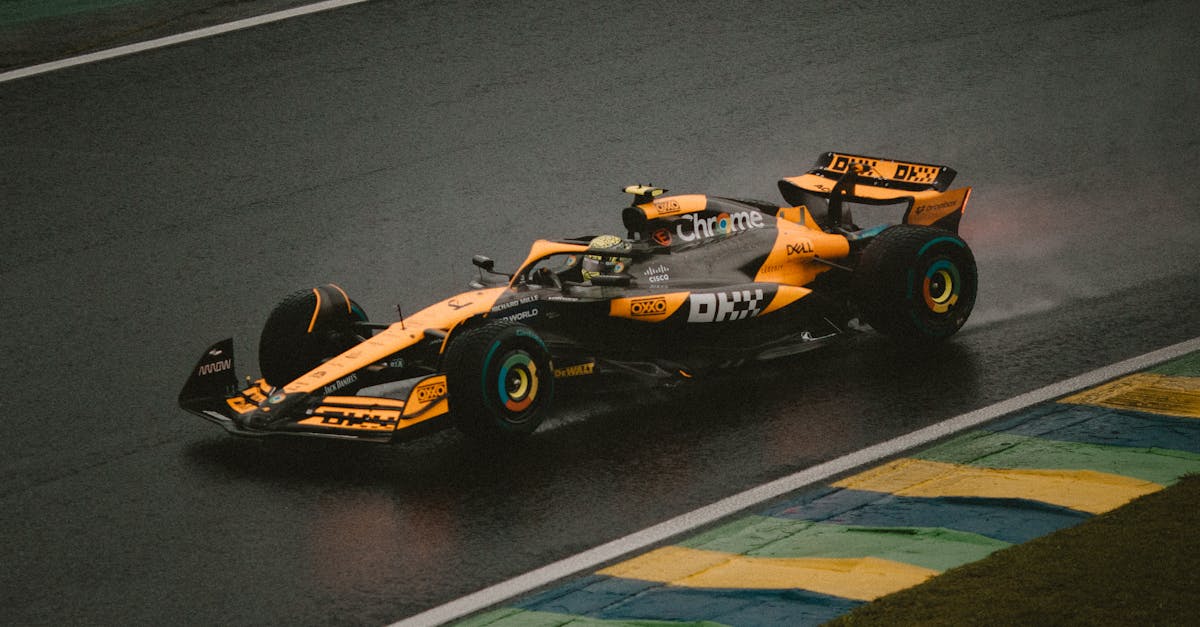
- Formula 1 is the comeback story of the decade. Drive to Survive didn't just document racing; it turned drivers into characters you could root for. F1's Gen Z audience exploded because the sport finally told human stories.
- The NWSL and women's sports broadly are capturing younger fans by being unapologetically values-driven—building community, not just competition.
The Rituals Are Dying—And That's the Real Loss
Let's be honest about something uncomfortable. Part of what made sports fandom magical was the shared ritual. The Sunday gathering. The bar full of strangers who became brothers for three hours. The water-cooler debate the next morning.
Gen Z doesn't have the water cooler. They have Discord servers, group chats, and subreddits—but those communities form around everything, not just sports. So a league isn't competing with other leagues anymore. It's competing with every possible way to spend a Sunday afternoon. That's a brutal battlefield.
I've found that the leagues that understand this are building digital-first communities—watch parties on Twitch, interactive betting-free prediction games, creator-led commentary. They're not trying to drag Gen Z back to the old rituals. They're building new ones.
So What Actually Works? Three Things Leagues Are Betting On
Let me break down what's genuinely moving the needle, because not all the big experiments are working:
- Gambling-adjacent engagement is a trap. Some leagues have leaned on sports betting to hook younger fans, and while it drives short-term numbers, it's a moral and reputational minefield. The smart money (pun intended) is on gamification that doesn't require a wager—predictions, fantasy-lite formats, bracket challenges.
- Athlete-led content is king. Give players creative control. Let them post, stream, and meme. The leagues that trust their athletes to be personalities, not just products, are winning the culture war.
- Short-form is the front door. A 15-second highlight reel is how Gen Z discovers a sport. The full game is the deep dive they might take later. Treat clips as the entry point, not the compromise.
The Question Every League Should Be Asking
Here's my honest take: the leagues aren't losing Gen Z because young people don't care about sports. They're losing them because they spent decades selling loyalty and forgot how to sell curiosity. Gen Z is the most curious generation alive—they'll fall down a rabbit hole for hours if the story grabs them.
So the real question isn't "how do we make them watch?" It's "what story are we telling that they can't scroll past? " The leagues that answer that question will inherit a generation of fans who chose them—deliberately, passionately, on their own terms.
And honestly? A fan who chooses you is worth ten who inherited you. Just ask my cousin. He still doesn't watch the games—but he's got a favorite player, follows their foundation, and owns three jerseys. That's not a lost fan. That's a new kind of fan.
The old playbook is dead. The question is who's writing the next one.


