
I was deep in a YouTube rabbit hole last Tuesday — the kind where you start watching a documentary about deep-sea anglerfish and somehow end up on a video of a guy named Phil explaining why he runs slower than my grandma walks. And here's the thing: Phil looked incredible. Lean, energetic, and casually mentioning he trains Zone 2 cardio five hours a week.
My first thought? "That sounds boring as hell."
My second thought, three months later after actually trying it? "Why didn't anyone tell me this sooner?"
The Billionaire's Secret That Costs Nothing
Here's a fact that stopped me cold: three-time Tour de France winner Tadej Pogačar reportedly spends around 80% of his training time in Zone 2. That's the guy who crushes mountain stages like they're speed bumps. Meanwhile, most of us are stuck in what fitness folks call the "gray zone" — going too hard to build an aerobic base, but not hard enough to actually improve our VO2 max.
We're basically jogging in purgatory.
The science isn't new, by the way. Elite endurance athletes have trained this way for decades. What's new is that everyone from Silicon Valley CEOs to your neighbor's marathon-running dad has discovered it. And unlike most fitness trends, this one doesn't require a $200 monthly membership or a closet full of gadgets.

Wait, What Even Is Zone 2?
Let me break this down without the sports science jargon.
Your heart rate operates in five zones, measured as a percentage of your maximum heart rate. Zone 2 cardio sits at roughly 60-70% of your max heart rate — the sweet spot where you're working, but you could still hold a conversation without gasping like a fish on a dock.
The classic test? Try to talk while exercising. If you can speak in full sentences but wouldn't want to sing karaoke, you're probably in Zone 2.
Here's what most people miss: it feels too easy at first. You'll be tempted to speed up. Don't. I've found that the magic happens precisely because you're NOT pushing to exhaustion. Your body is building mitochondria (the power plants of your cells), improving fat oxidation, and strengthening your heart's efficiency — all while you're cruising at what feels like a leisurely pace.
It's the fitness equivalent of compound interest. Boring on any given day, transformative over months.
The Benefits That Made Me a Believer
I'll be honest — I started Zone 2 cardio because I wanted to look better. I stayed because of everything else.
The endurance payoff is real. After eight weeks of consistent Zone 2 training (about 3-4 hours weekly), I could climb the stairs to my apartment without my heart trying to escape my chest. My resting heart rate dropped from 72 to 61. That's not nothing.
It's shockingly sustainable. High-intensity workouts wreck me for two days. Zone 2 sessions leave me energized. I can do them on back-to-back days without feeling like I got hit by a truck.
The mental benefits snuck up on me. There's something meditative about a 45-minute session where you're not gasping for air. I've solved work problems, had creative breakthroughs, and processed life stuff during what's essentially glorified walking.
And the research keeps piling up. Studies link Zone 2 training to improved insulin sensitivity, better mitochondrial function, and even reduced risk of cardiovascular disease. It's like a Swiss Army knife for your health.
How to Actually Start (Without Overthinking It)
Here's where people get paralyzed. They buy a chest strap, download four apps, and spend three weeks researching "optimal" protocols.
Screw that. Let's keep it simple.
Step 1: Find your Zone 2 range. The quick formula: subtract your age from 180. If you're 40, your target is around 140 beats per minute. That's a rough estimate — adjust based on how you feel.
Step 2: Pick your activity. Walking uphill, cycling, jogging, swimming, rowing — anything rhythmic works. I rotate between a stationary bike and trail walks because variety keeps me sane.
Step 3: Start embarrassingly slow. Your first session might just be a brisk walk. That's fine. The goal is staying in the zone, not impressing anyone.
Step 4: Aim for 3-4 sessions weekly. Start with 30 minutes each. Build toward 45-60 minutes as your fitness improves.
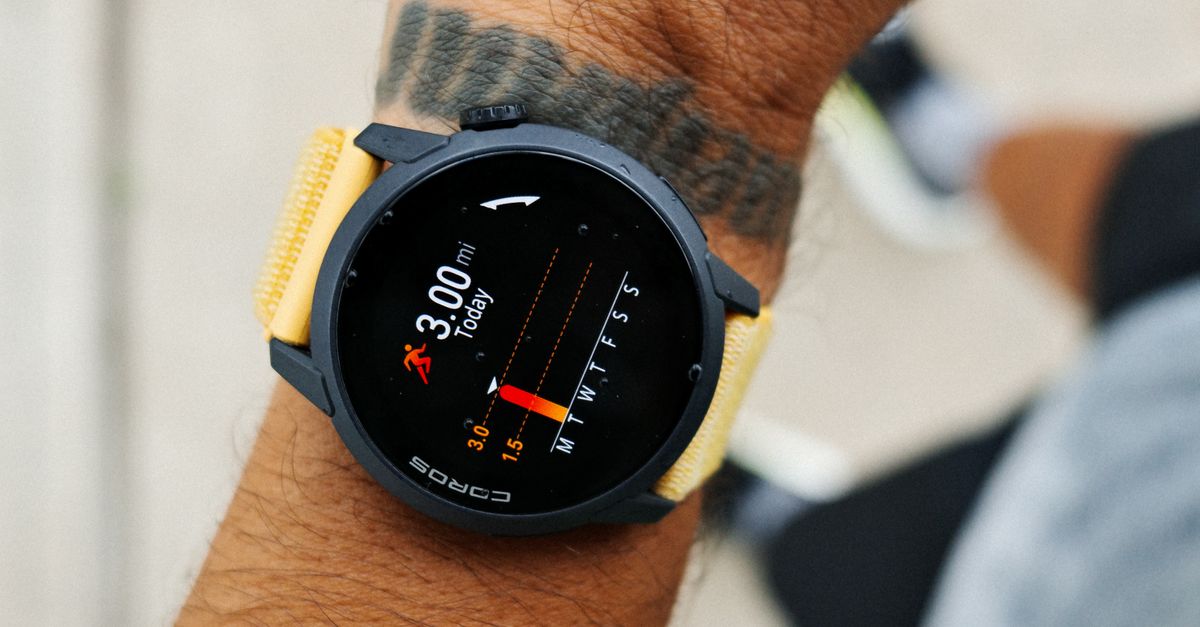
Step 5: Track it, but don't obsess. A basic heart rate monitor helps, but you can also use the talk test. If you're panting, slow down. If you can belt out a full song, speed up.
The biggest mistake? Going too hard because it feels more "productive." Zone 2 cardio rewards patience, not intensity.
The Trend That's Actually Worth Your Time
Let's be honest about fitness trends. Most are garbage wrapped in good marketing. Remember when everyone was doing cryotherapy and drinking celery juice?
Zone 2 cardio is different because it's not a hack — it's a fundamental. It's the base layer of every serious endurance athlete's training, and now regular folks are catching on. The r/running subreddit is full of converts. Peter Attia talks about it constantly. Even the military is incorporating it into training protocols.
But here's what nobody mentions: Zone 2 cardio is boring. There, I said it. You're not sprinting. You're not sweating through your shirt. You're just... moving. Steady. Consistent. Unsexy.
That's exactly why it works. It's sustainable in a way that HIIT and boot camps aren't. You can do it for decades without wrecking your joints or your motivation.

Your Move (Yes, Literally)
Here's my challenge to you: try Zone 2 cardio for 30 days. Four sessions a week. 30-45 minutes each. Keep it easy. Don't chase PRs.
Track how you feel. Your sleep, your energy, your mood. I'd bet money you'll notice a difference by week three.
And if you hate it? At least you'll have a solid excuse to binge-watch that show you've been meaning to start. Because let's face it — if you're not distracted during Zone 2, you're doing it wrong.
The fitness industry wants you to believe that progress requires suffering. That if you're not collapsed on the floor afterward, you wasted your time. Zone 2 cardio proves them wrong.
Sometimes the slowest path is the fastest one.
Now go for a walk. Your mitochondria will thank you.





