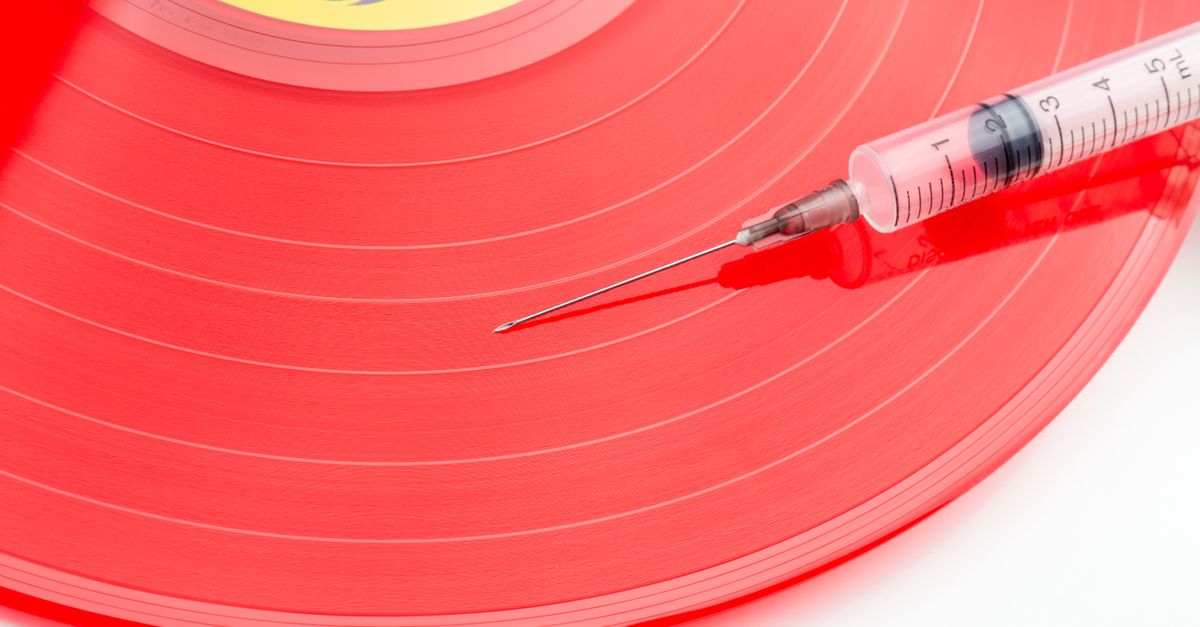
Let me tell you something that would've sounded absurd five years ago: my 19-year-old cousin asked for a record player for her birthday. Not AirPods. Not a Spotify gift card. A turntable. And she's not some quirky outlier — she's part of a full-blown movement that's rewriting the rules of how music gets consumed.
Here's the twist nobody saw coming. Vinyl records outsold CDs in the US for the first time since 1987. Gen Z — the generation raised on touchscreens and infinite scroll — is the driving force behind it. Let that sink in for a second.
I've been watching this trend for a while now, and honestly, it's one of the most fascinating cultural pivots I've covered. So let's dig into why the "most digital generation" is spending real money on physical media.
The Numbers Don't Lie (And They're Wild)
Let's get the data out of the way first, because the scale of this shift is genuinely shocking.
According to the Recording Industry Association of America, vinyl revenue hit $1.4 billion in 2023 — the highest mark since the early '80s. Meanwhile, streaming still dominates overall consumption, but here's the part that matters: roughly half of vinyl buyers are under 35. That's not a nostalgia play. Baby boomers aren't the ones lining up at Urban Outfitters for limited-edition pressings.
I've found that when you dig into the demographics, the story gets even weirder. These aren't just casual collectors grabbing a Taylor Swift variant for the shelf. Many of them are building genuine libraries. They're cataloging, trading, hunting down pressings. They're doing the exact opposite of what the streaming model trained them to do.

Why Would a Digital Native Choose Analog?
This is the question everyone asks, and the answers reveal something deeper about how young people relate to technology.
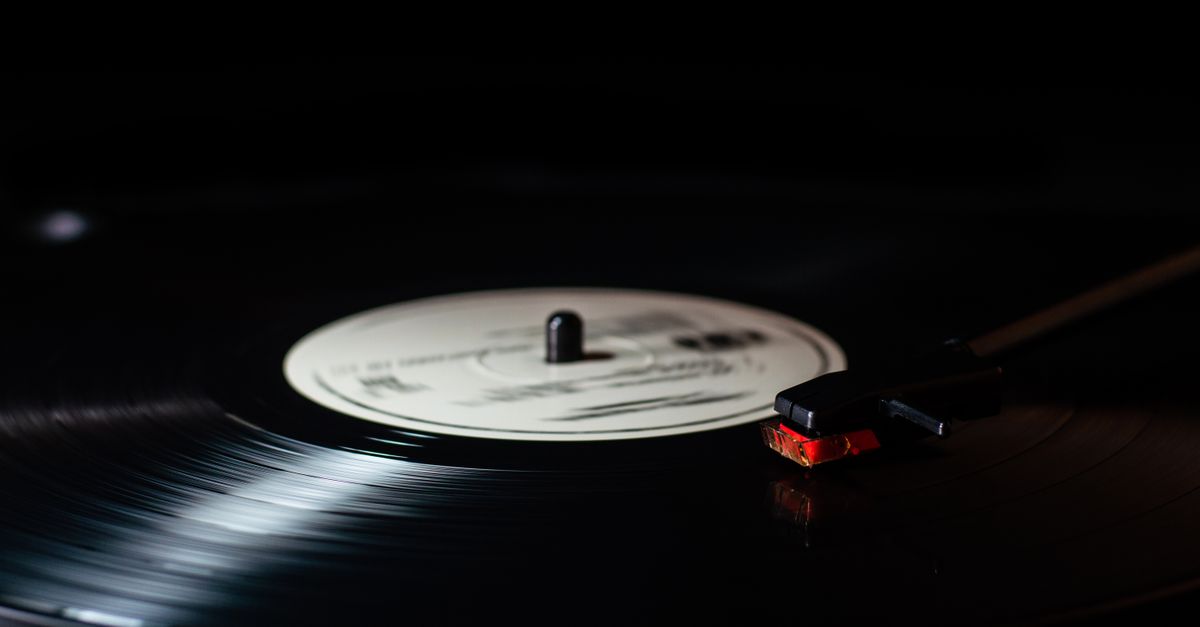
First, there's the ritual. Streaming is frictionless — which is exactly the problem. You tap a screen, music plays. There's no ceremony. Vinyl forces you to slow down: pull the record from the sleeve, clean it, drop the needle, flip it after 20 minutes. I've found that this slowness isn't a bug for Gen Z. It's the entire feature. In a world where everything is instant, choosing friction is a form of rebellion.
Second, there's ownership. Here's what most people miss: when you "buy" music on Spotify, you don't actually own anything. Your library can vanish with a licensing dispute. Vinyl is tangible proof that something is yours. That matters to a generation that's watched digital platforms change the rules of ownership their whole lives.
Third, the sound. Okay, I have to be honest here — the "vinyl sounds warmer" argument is partly placebo. Digital audio is technically more accurate. But that's not the point. The point is that vinyl has character. Surface noise, imperfections, the physical warmth of analog — it feels human in a way that a lossless FLAC file doesn't.
Let's be honest: nobody's arguing vinyl is technically superior. They're arguing it's experientially superior. And they're right.
The Spotify Paradox Nobody Talks About
Here's the contradiction that makes this whole trend so interesting. Gen Z isn't abandoning streaming to buy vinyl — they're doing both.
This is what industry analysts call the "hybrid listening model." Discovery happens on streaming. Deep engagement happens on vinyl. You find a new artist on TikTok or Spotify's algorithm, fall in love, then buy the record as a way of saying this matters to me.
I've found that this dual behavior confuses older critics who assume it's either/or. It's not. Records have become trophies of taste — physical artifacts that signal identity in a way a playlist never could. Your Spotify Wrapped is private. Your record shelf is a statement.
Think about that for a second. In an era where everything is ephemeral, Gen Z is building altars to the music they love.
The Economics of an Analog Comeback
Now, let's talk money, because this revival isn't just sentimental — it's a real market.
- New vinyl pressings often cost $25–$45, and limited editions sell out in minutes.
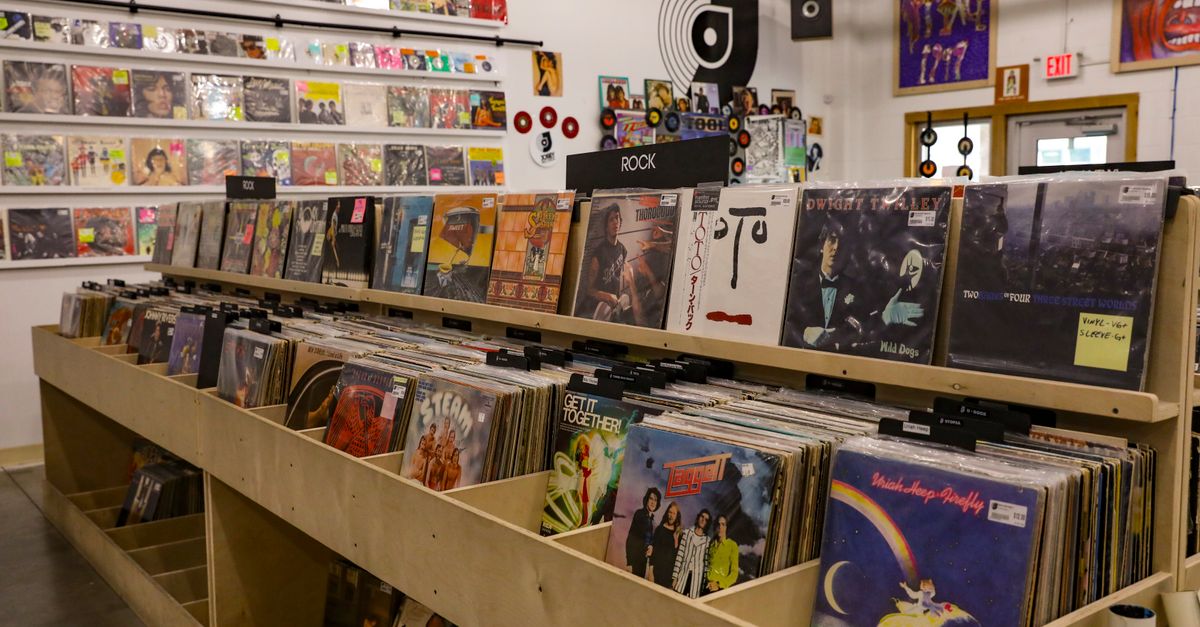
- Independent record stores are opening again after decades of decline.
- Artists increasingly treat vinyl as a primary revenue stream, since streaming royalties remain brutally low.
- Secondary markets like Discogs have turned rare pressings into legit investment assets.
That said, there's a shadow side. The vinyl boom has created production bottlenecks, sky-high prices, and environmental concerns about PVC. The trend isn't perfect. But perfection was never the point.
What This Says About Gen Z (And All of Us)
Zoom out for a second, and the vinyl revival stops being a music story. It becomes a story about what young people actually want from technology.
They want the convenience of streaming and the meaning of physical objects. They want algorithms to help them discover, but they want to choose what to keep. They want speed, but they also want moments that force them to slow down.
I've found that the generations raised on the internet are often the most skeptical of it — not because they hate technology, but because they understand its limits better than anyone. Vinyl isn't an anti-digital statement. It's a post-digital one. It's what happens when a generation decides that digital tools should serve their lives, not define them.
Let's be honest: we could all learn something from that.
The Needle Drop Is Just the Beginning
So here's my question for you: when was the last time you truly listened to an album — not as background noise, but as an experience?
The vinyl revival isn't a fad, and it isn't just about hipsters or aesthetics. It's a signal. It tells us that even in the most connected era in human history, people still crave something real they can hold, flip, and pass down. The future of music might just be a return to its past — but on Gen Z's terms.
Next time you're scrolling through an endless playlist, try this: pick one album. One artist. One record. Sit with it. Let it play all the way through.
You might be surprised what you hear when you actually have to flip the record to keep going.


