I was digging through my parents' basement last Thanksgiving when I found it: a dusty crate of my dad's old records. Led Zeppelin, Stevie Wonder, Fleetwood Mac. I figured they'd be worth maybe fifty bucks to some nostalgic collector. Then I checked Discogs and nearly choked on my turkey sandwich.
The vinyl revival isn't just alive — Gen Z is driving it to heights the industry hasn't seen since 1987. And the numbers are wilder than you'd think.
The Numbers That Shouldn't Make Sense
The RIAA dropped their year-end report recently, and vinyl records outsold CDs for the 17th consecutive year. Let that sink in. CDs were supposed to be the future. Vinyl was supposed to be a dead format by 1995. Instead, we're watching a format that predates the calculator outpace its "superior" successor.
But here's the stat that really got me: Gen Z buyers — people born between 1997 and 2012 — now account for roughly 40% of new vinyl purchases. These are kids who grew up with Spotify in their pockets, who can access literally every song ever recorded for $10.99 a month. And they're choosing to spend $35 on a single album they could stream for free.
Why?
I've found that most analysts get this completely wrong. They chalk it up to "aesthetic" or "retro vibes" or some vague nostalgia for a decade these kids never experienced. That's lazy thinking. The real answer is more interesting.
The Algorithm Broke Music — Vinyl Fixed It
Let's be honest about what streaming did to how we listen. The algorithm feeds us songs based on what we already like. It's an infinite treadmill of "more of the same." You skip, skip, skip, and suddenly three hours have vanished and you can't name a single song you heard.
Vinyl forces you to actually listen.
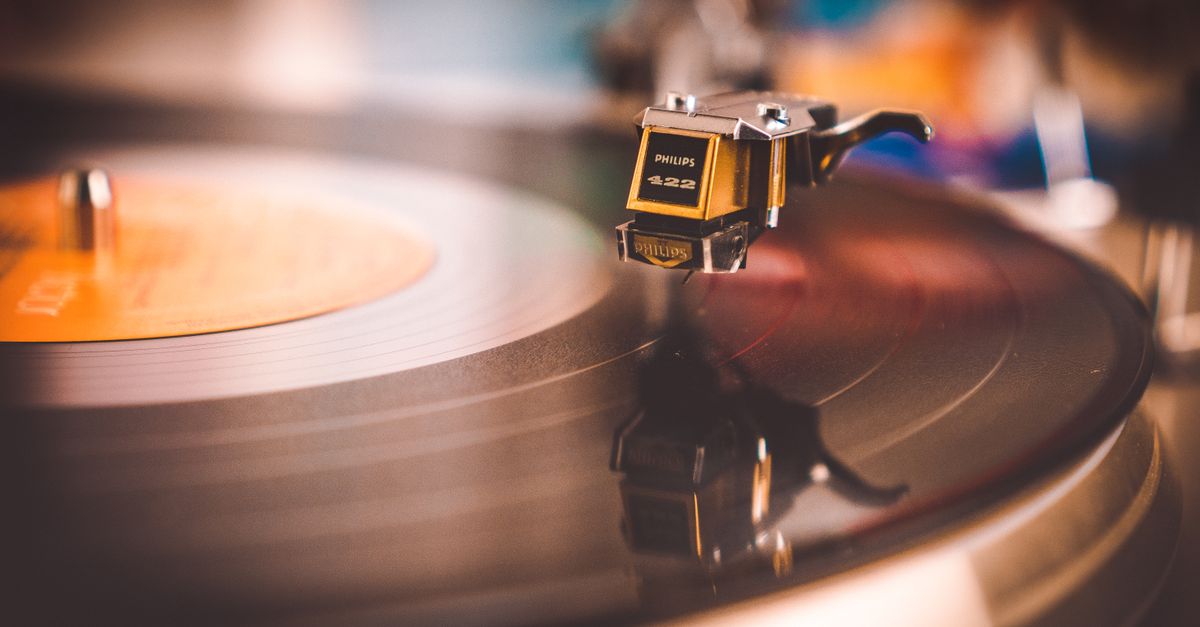
You pull the record out of the sleeve. You place the needle. And then — this is the crucial part — you can't skip. Well, you can, but you have to physically get up and move the needle. That friction changes everything. You commit to an album. You hear the deep cuts. You notice the sequencing, the transitions, the way a band intended you to experience their work.
I've talked to dozens of Gen Z collectors about this, and the same theme keeps coming up: streaming gave them everything, and they felt like they had nothing. Vinyl gave them something to hold.
The Social Currency of a Physical Collection
Here's what most people miss about the Gen Z vinyl boom: it's not solitary. It's deeply social.
Scroll through TikTok and you'll find millions of videos under #vinylcommunity. People showing off their latest finds, doing "vinyl unboxing" videos, ranking album covers, arguing about pressing quality. It's a whole ecosystem. A vinyl record isn't just music — it's a personality marker, a conversation starter, a flex.
Try doing that with a Spotify playlist. "Hey, check out my algorithmically generated Discover Weekly"? Not exactly the same energy.
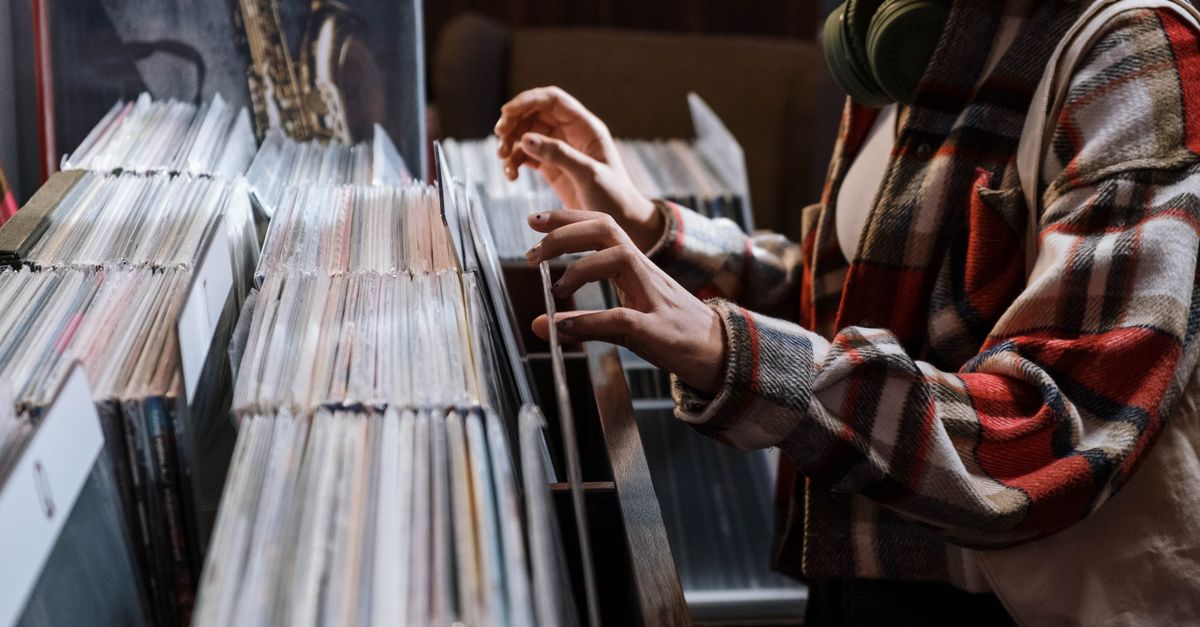
There's also the thrill of the hunt. Independent record stores are experiencing a genuine renaissance. Record Store Day, which started in 2008, has become a cultural event that pulls thousands of young people to local shops. Limited pressings sell out in minutes. Exclusive color variants — splatter, marble, translucent — become collector's items overnight.
The scarcity is the point. In a world of infinite digital copies, owning something rare and physical feels like a rebellion.
Why the Music Industry Is Quietly Thrilled (And Slightly Terrified)
Labels have noticed. Vinyl manufacturing plants that shuttered in the '90s are being rebuilt. But here's the catch — there aren't enough pressing plants to meet demand. Artists like Taylor Swift and Adele have caused massive backlogs. Indie bands wait months for their records to get pressed because a major label swooped in with a massive order.
It's a good problem to have, but it's still a problem. The infrastructure got decimated over two decades, and rebuilding it takes time, money, and people who know how to operate machines that are older than most of the customers buying the records.
And the environmental angle? Vinyl production isn't exactly eco-friendly. It takes energy, materials, and shipping. Some eco-conscious artists have started pushing back, experimenting with recycled vinyl or alternative materials. But the demand keeps climbing.
The Real Reason Gen Z Won't Let Vinyl Die
So what's actually driving this? I think it comes down to three things:
- Tangibility in a digital world. When everything is ephemeral — stories disappear, tweets get deleted, accounts get banned — owning something physical feels like an anchor. A record can't be taken away by a terms-of-service update.
- Intentionality over convenience. Gen Z grew up with maximum convenience and discovered it wasn't making them happy. Vinyl is inconvenient by design, and that's exactly why it matters. The effort creates meaning.
- Community over isolation. Streaming is a solo activity. Vinyl culture is a shared one. Record stores, online forums, listening parties — these are spaces where people connect over something real.
The Needle Hasn't Dropped Yet
The vinyl revival isn't a fad. It's been building for nearly two decades, and it's accelerating. Gen Z didn't discover vinyl because it was trendy — they discovered it because it offered something streaming couldn't: a relationship with music that feels earned.
Will it last? I don't know. But I do know that when I handed my dad's Led Zeppelin record to my 19-year-old cousin last month, she didn't ask what it was worth. She asked if she could borrow it. Then she asked if I'd teach her how to use my turntable.
That felt like the future, not the past.
So here's my challenge to you: next time you're near a record store, walk in. Flip through the bins. Find something that catches your eye — maybe an album you've streamed a hundred times but never truly heard. Buy it. Take it home. Drop the needle.
Then tell me the algorithm ever made you feel like that.


