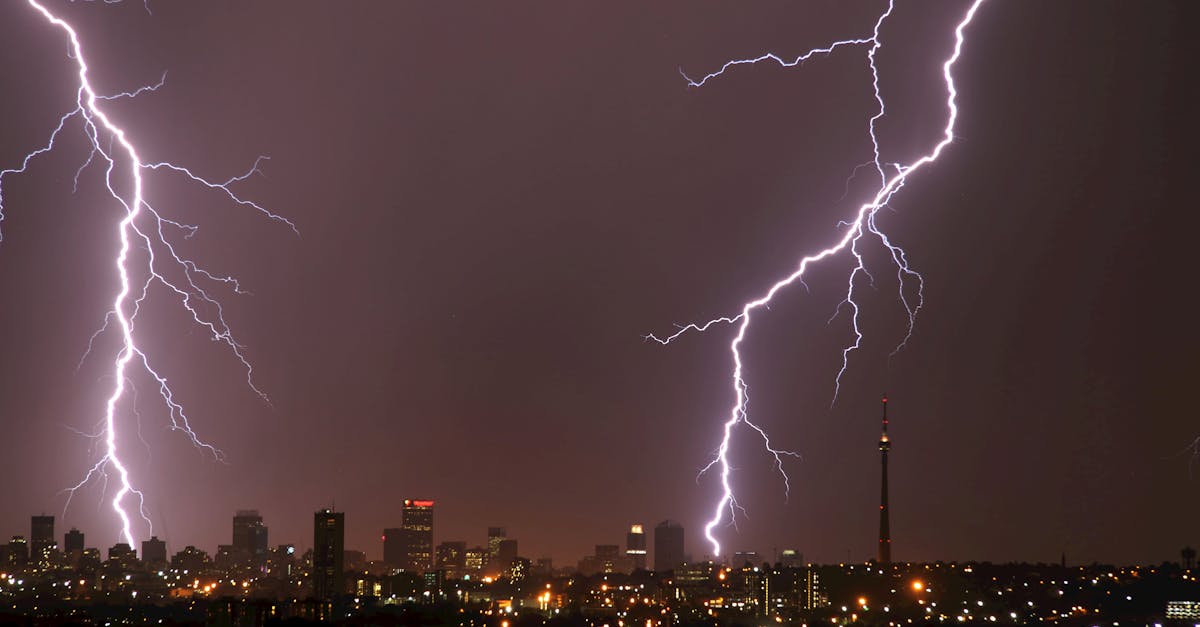
Thunderquakes, a rare phenomenon triggered during storms, are drawing renewed attention from researchers, according to Spanish outlet El Debate. The term describes seismic events that originate not from geological movement, but from the intense acoustic pressure generated by lightning strikes.
The phenomenon occurs when thunder’s sound waves couple with the ground, producing vibrations that can be registered on seismometers. El Debate reports that these storm-generated tremors are distinct from typical earthquake activity, as their energy is transmitted through the atmosphere before interacting with the Earth’s surface.
Recent studies highlighted by National Geographic España suggest thunderquakes may offer a practical scientific benefit. Researchers believe the way these acoustic waves travel through the subsurface could help identify hidden geological structures. By analyzing how the vibrations propagate and reflect, scientists might gain new insight into the composition of the ground below, potentially aiding in mineral exploration or geological mapping.
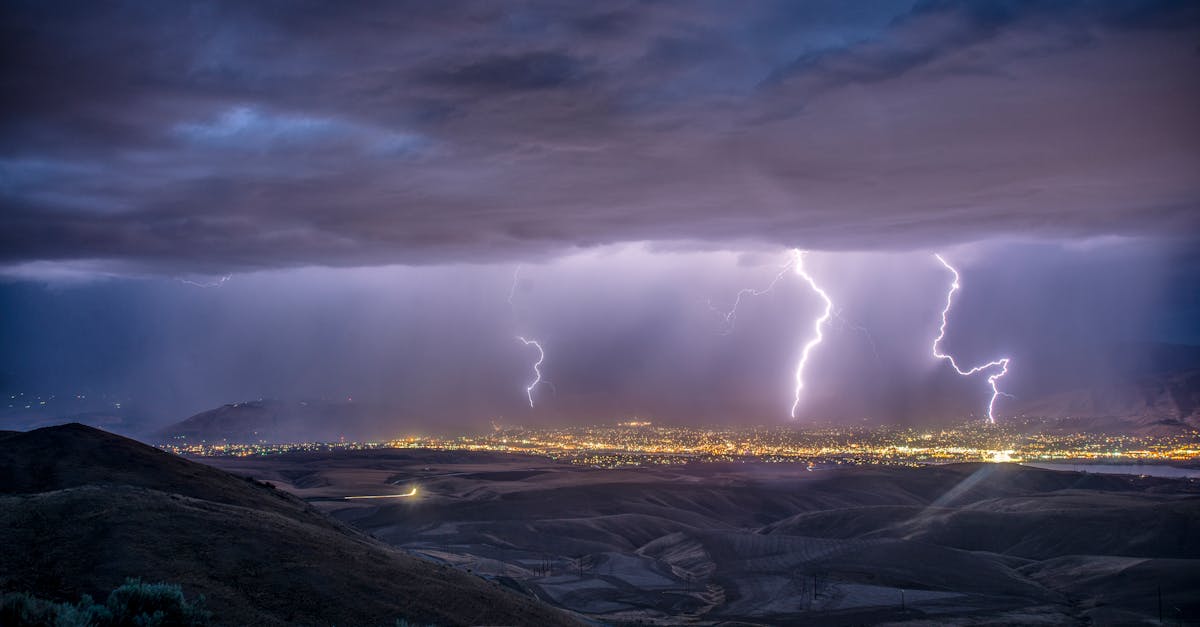
Other outlets, including Meteored España and Fuenlabrada Noticias, have echoed these findings, emphasizing that the coupling of atmospheric sound waves with the soil is a key mechanism behind the effect. The phenomenon, sometimes referred to as “storm seismicity,” demonstrates how weather systems can influence instruments typically reserved for measuring tectonic activity.
While thunderquakes are not considered a hazard, their study sits at the intersection of meteorology and seismology. The growing body of research, as covered by El Debate and others, points to a future where storm data might be used as a passive tool for probing the Earth’s interior. Watch for further studies on how acoustic wave analysis could complement existing seismic survey methods.



