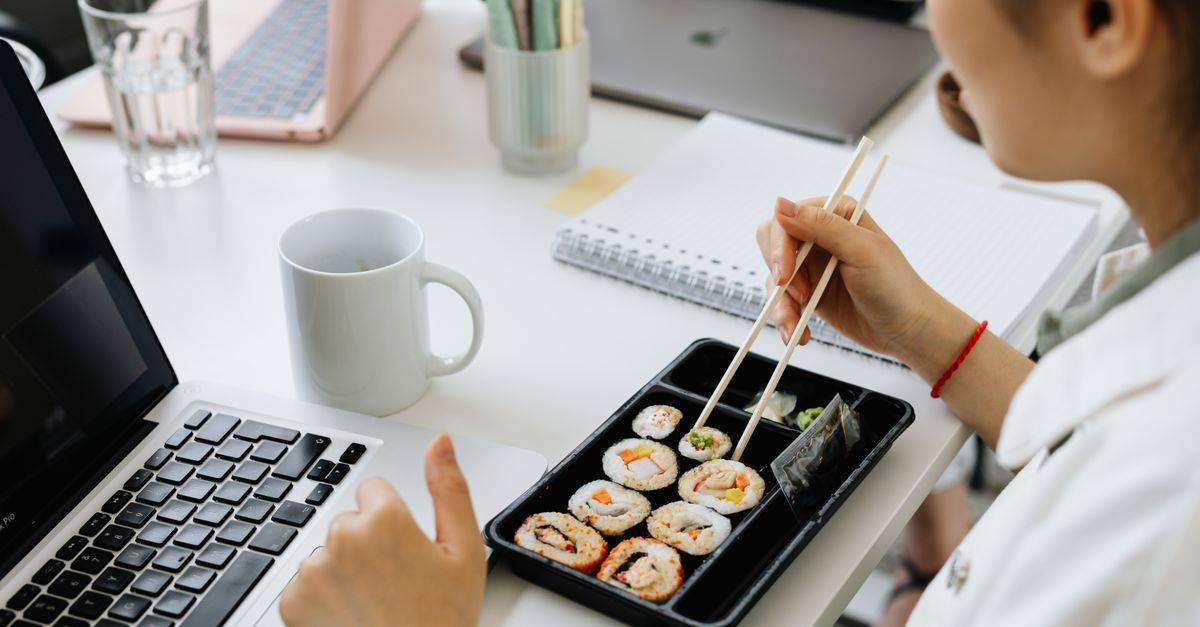
I still remember the exact moment I hit rock bottom with meal prepping. It was 11 p.m. on a Sunday, and I was standing in my kitchen surrounded by five sad containers of soggy quinoa and overcooked broccoli, wondering why I'd just spent three hours of my weekend creating food I genuinely didn't want to eat.
Sound familiar?
If you're a busy professional who's tried meal prepping and quietly given up, you're not alone. But here's the thing — meal prepping for busy professionals doesn't have to mean eating the same bland chicken and rice every single day. In 2024, the game has changed. We've got smarter tools, better strategies, and honestly, a lot less patience for boring food.
Let me show you what actually works.
The Sunday Marathon Is Dead (And Good Riddance)
Here's what most people miss about meal prepping: the traditional "spend your entire Sunday cooking" model is not the only way. In fact, I'd argue it's the worst way for most professionals.
Think about it. You already work 40+ hours a week. Your weekends are precious. Why would you sacrifice four hours of your free time to cook food that'll be mushy by Wednesday?
Modern meal prepping is about working smarter, not harder. That means:
- Prepping components, not complete meals
- Using time-saving appliances you probably already own
- Embracing semi-homemade shortcuts without guilt
- Cooking once, eating three different ways
That's the shift. That's the secret nobody told you.

The 3-Hour Rule That Changed Everything
Let me be blunt: if your meal prep takes more than three hours, you're doing too much.
I learned this the hard way after years of overcomplicating things. Now I follow a strict three-hour rule for weekly meal prepping, and it's been a game-changer. Here's how I break it down:
Hour 1: Protein and grains. While your chicken roasts or your ground turkey browns, your rice cooker or Instant Pot handles the grains. This is passive cooking time — you can literally answer emails while this happens.
Hour 2: Vegetables and sauces. Roast a big tray of mixed vegetables. Whip up two or three versatile sauces — a tahini dressing, a chimichurri, a spicy yogurt situation. These sauces are what keep your meals from tasting like sad leftovers.
Hour 3: Assembly and storage. Portion things out, but keep components separate when possible. This is crucial. Mixed salads get soggy. Separated components stay fresh.
The beauty of this system? You're not locked into eating the same meal five times. You've got building blocks.
Your 2024 Meal Prep Toolkit (Yes, You Need These)
Let's be honest — the right tools make all the difference. I resisted buying an air fryer for years because I thought it was a gimmick. I was wrong. So wrong.
Here's what I actually use every single week:
- Glass containers with divided compartments — They're microwave-safe, oven-safe, and they don't stain like plastic. Worth every penny.
- A quality rice cooker — Set it and forget it. Perfect grains every time.
- Silicone baking mats — No more scrubbing sheet pans. You're welcome.
- A vacuum sealer — Sounds extra, but it keeps prepped food fresh up to five times longer.
- A digital kitchen scale — Portion control without guesswork.
The Flavor Problem Nobody Talks About
Here's the uncomfortable truth about meal prepping: most of it tastes terrible by day three.
Why? Because people season their food once and expect it to taste great all week. That's not how flavor works.
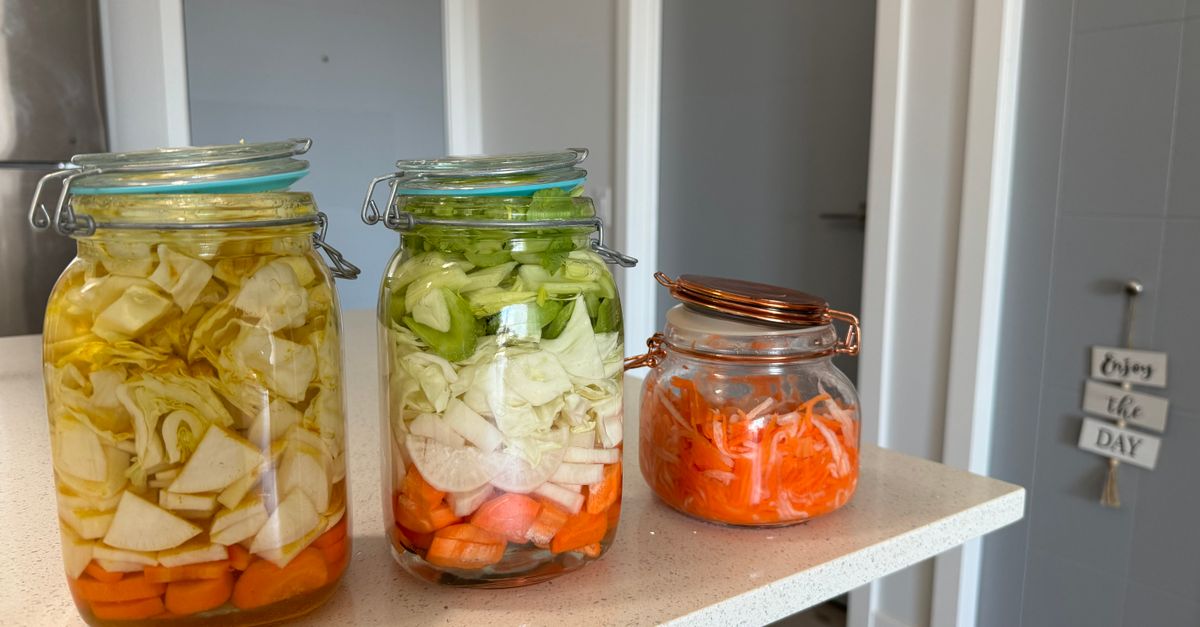
The solution is what I call "flavor layering." You prep neutral base components, then add fresh flavor elements at the moment of eating. A squeeze of lime. Fresh herbs. A drizzle of chili oil. Crunchy pickled onions.
This takes thirty seconds and transforms your meal from "I'm eating this because I have to" to "I actually want to eat this."
I keep a "flavor station" in my fridge — small containers of fresh herbs, citrus, sauces, and crunchy toppings. It sounds fussy, but it's the difference between sticking with meal prep and abandoning it by Wednesday.
Let's be honest, nobody wants to eat bland food just because it's convenient.
The Real Reason Most People Quit (And How to Not Be One of Them)
Most professionals don't quit meal prepping because it's too hard. They quit because they get bored.
The same breakfast, the same lunch, the same dinner. Day after day. It's soul-crushing.
Here's my advice: don't prep every meal. I prep lunches and snacks, but I leave dinners flexible. This keeps me from feeling trapped while still saving money and eating healthier during my busiest hours.
I also build in what I call "wildcard meals" — one or two meals a week where I eat whatever I want. No prepping, no planning, no guilt. This isn't a cheat meal. It's a sanity meal.
And that's really what sustainable meal prepping is about. Not perfection. Not eating clean 100% of the time. Just making the default choice a healthy one.
Your Weekend Assignment (Yes, I'm Giving You Homework)
If you've read this far, you're serious about making this work. So here's what I want you to do this weekend:
Pick one protein, one grain, and two vegetables. Prep them using the three-hour rule. Make two sauces. Buy some glass containers.
That's it. Don't overthink it. Don't try to prep fifteen meals on your first attempt.
Start small, stay consistent, and adjust as you go. The professionals who succeed at meal prepping aren't the ones with the most elaborate systems — they're the ones who found a rhythm that fits their actual life.
So here's my question for you: what's been your biggest meal prep struggle? Because whatever it is, I promise there's a workaround that doesn't involve giving up your entire Sunday.
Now go preheat that oven. Your future self will thank you.