
Sleepmaxxing is the wellness trend most people are doing completely wrong.
There, I said it. And before you sharpen your pitchforks, hear me out. I've spent the last three months deep in the rabbit hole of sleep optimization—tracking my REM cycles, dropping $200 on a weighted blanket, and yes, even trying that viral "mouth taping" thing that made me look like a hostage in my own bed. Some of it worked. A lot of it was expensive theater.
But here's the thing nobody's saying loudly enough: the core of sleepmaxxing isn't wrong—it's just buried under a mountain of gadgets and TikTok nonsense. The science actually backs up a solid chunk of it. You just have to know which parts to keep and which parts to toss in the trash.
The Sleepmaxxing Explosion: From Niche Biohackers to Your Mom's For You Page
Sleepmaxxing started in the same place as most modern health trends—online communities obsessed with squeezing every drop of performance out of the human body. Think Silicon Valley biohackers trading tips on red light therapy and cold plunges. But somewhere in 2024, it jumped the fence and landed on TikTok, where teenagers now film "sleepmaxxing routines" that involve seven-step skincare, magnesium cocktails, and silk everything.
The hashtag has racked up billions of views. Sleep tracking rings are flying off shelves. Magnesium supplement sales have reportedly spiked. And everyone's suddenly an expert on circadian rhythms.
I get the appeal. We're a chronically exhausted species. According to the CDC, about one in three adults doesn't get enough sleep on a regular basis. So when someone promises a hack that'll finally fix your 3 a.m. doomscrolling and morning grogginess? Yeah, we're gonna click.
But here's what most people miss: sleepmaxxing isn't a single thing. It's a grab bag of habits, gadgets, and rituals—some backed by solid research, some backed by nothing but vibes and a good affiliate link.
What the Science Actually Says (Spoiler: It's a Mixed Bag)
Let's separate the wheat from the wellness-industry chaff.
Things that genuinely work:
- Consistent sleep-wake times. This one's boring, but it's the heavyweight champion. Your circadian rhythm thrives on predictability. Going to bed and waking up at the same time—yes, even on weekends—is one of the most evidence-backed sleep strategies out there.
- Cool, dark, quiet bedrooms. Your body needs its core temperature to drop to initiate deep sleep. A room around 65-68°F (18-20°C), blackout curtains, and some white noise? That's not a gimmick. That's physiology.
- Limiting caffeine after noon. Caffeine has a half-life of roughly five to six hours. That 4 p.m. espresso is still kicking around your system at 10 p.m.
- Magnesium glycinate. I've found this one genuinely helps me. It's not a knockout pill, but research suggests magnesium can support sleep quality, especially if you're deficient—which a lot of us are.
- Mouth taping. The internet swears by it. The research? Thin. Some small studies suggest it might help mild snorers, but if you have sleep apnea, taping your mouth shut is a genuinely terrible idea. Please don't.
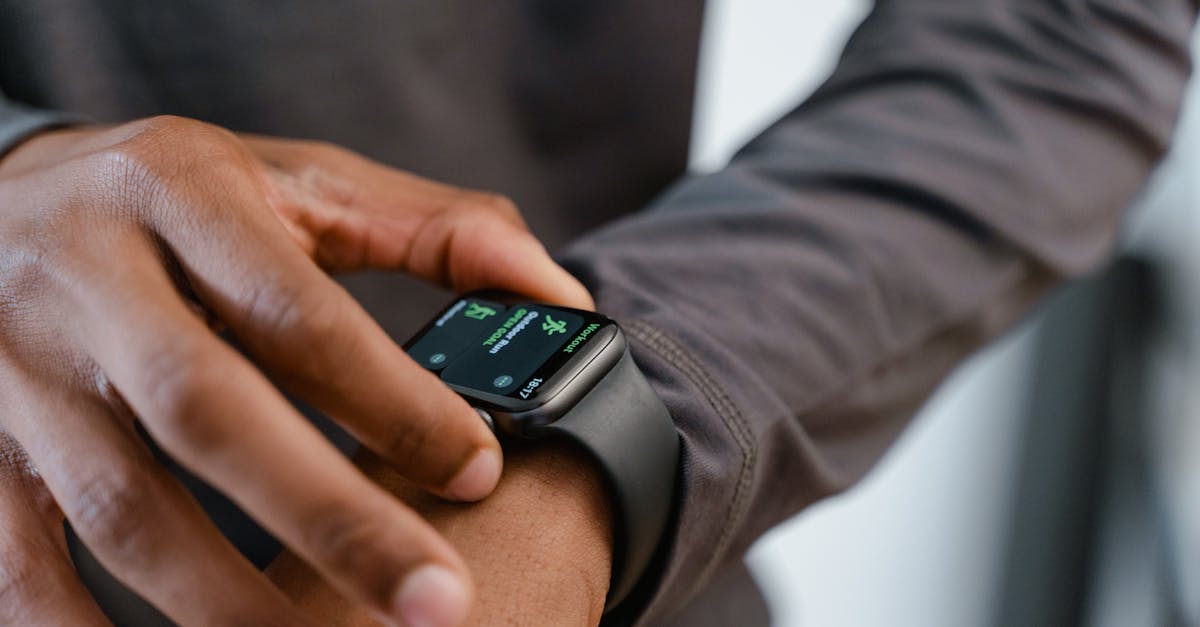
- Expensive sleep trackers. Here's a dirty secret—consumer wearables are often mediocre at measuring sleep stages. They're decent at tracking total time in bed, but their REM and deep sleep numbers can be wildly off. Don't let a $400 ring gaslight you into anxiety.
- "Sleepy girl mocktails" and elaborate bedtime potions. Tart cherry juice has some legit evidence behind it. The rest? Mostly placebo with a pretty filter.

The Hidden Trap That's Sabotaging Your Sleepmaxxing
Let me tell you about orthosomnia—a term researchers coined for people who become so obsessed with perfect sleep data that they can't actually sleep.
I fell into this trap hard. I'd wake up, check my sleep score, and if it wasn't above 85, my whole day felt ruined. I'd lie in bed calculating whether I'd hit my "deep sleep target," which is basically the least relaxing activity on earth. My sleep got worse the more I tried to optimize it.
Let's be honest: sleepmaxxing can become another form of anxiety dressed up as self-care. The pressure to perform rest is the ultimate irony. Sleep isn't a productivity metric. It's not a leaderboard. The moment you start stressing about your sleep hygiene routine, you've already lost.
The fix? Treat the data as a rough guide, not a report card. If you feel rested, you probably are—regardless of what your ring says.
My Actual Sleepmaxxing Routine (The Unsexy Version)
After months of trial and error, here's what stuck. Notice how boring it is.
- Same bedtime window, every night. 10:30 to 11:00 p.m. No exceptions, even Fridays.
- Phone charges outside the bedroom. This single change did more for my sleep than any gadget. The doomscroll temptation vanishes when your phone's in the kitchen.
- Magnesium glycinate about an hour before bed. Cheap, simple, effective for me.
- Blackout curtains and a fan. Total investment: about $60. Beats a $2,000 smart bed.
- Ten minutes of reading—actual paper book. Not a Kindle. Not an iPad. Paper.
Here's what most people miss: the best sleepmaxxing routine is the one you'll actually stick to. A perfect protocol you abandon after a week does nothing. A mediocre routine you maintain for years changes your life.

So… Should You Jump on the Sleepmaxxing Bandwagon?
Yes—but selectively. Steal the fundamentals. Ignore the circus.
The viral sleepmaxxing trend isn't a scam, but it's also not a magic bullet. The science supports the boring stuff: consistency, darkness, cool temperatures, and cutting stimulants. It does not support spending your rent money on gadgets that mostly measure your anxiety.
And honestly? The most rebellious thing you can do in 2025 is go to bed at a reasonable hour, put your phone away, and stop trying to optimize your way to a perfect night's sleep. Rest isn't a project. It's a birthright.
So here's my challenge to you: for the next seven nights, pick just one thing from the "actually works" list and do it consistently. No app. No fancy supplement stack. Just one habit, repeated. Then come back and tell me how you feel.
Because the truth is, you don't need to sleepmaxx your way to a new life. You just need to stop getting in your own way.





