
Let’s be honest: the moment someone tells you to "just get a side hustle," you immediately picture yourself delivering lukewarm burritos at 11 PM or editing someone’s cringe-worthy podcast for $15 an hour. We’ve all been there. The hustle culture propaganda machine has been grinding for a decade, telling us that if we aren’t bleeding for our bag, we aren’t working hard enough.
But here is a shocking little fact that the LinkedIn gurus don't want you to know: A 2024 survey by Charles Schwab found that nearly 15% of Gen Z investors started investing with less than $500, and a significant chunk of them are choosing to dump spare change into index funds rather than picking up a second shift.
We are witnessing a massive ideological shift. The narrative used to be "Work more to earn more." The new narrative? "Automate your wealth so you can sleep in." Let’s dive into why Gen Z is ditching the gig economy grind for the silent, steady hum of micro-investing.
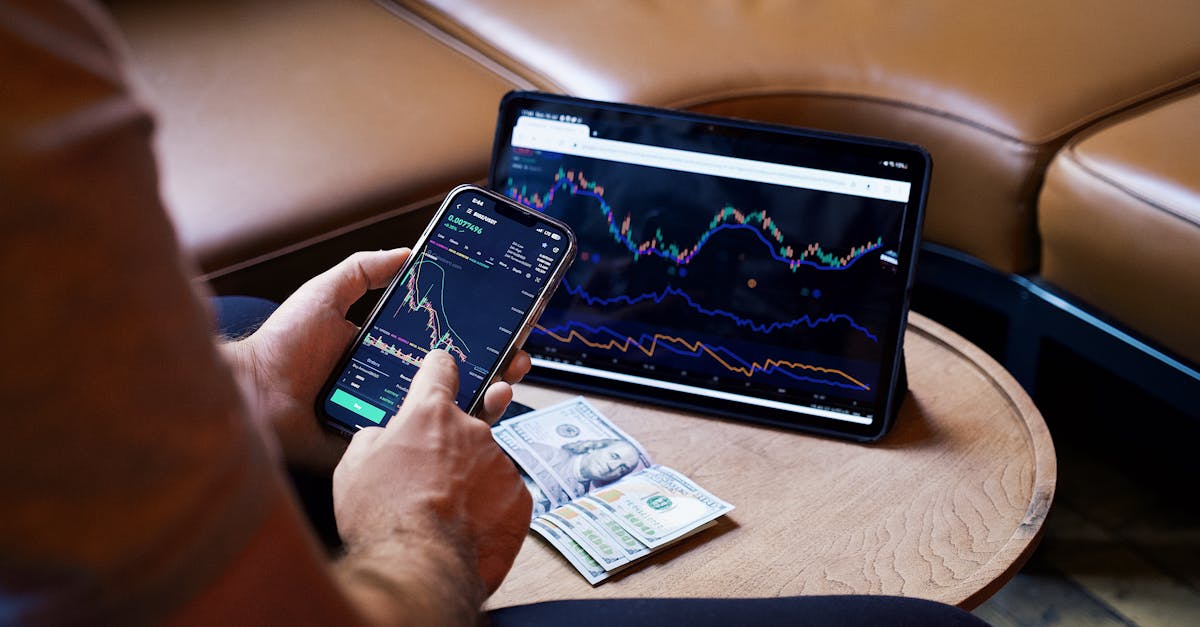
The Death of the "Grindset" Mentality
I have a confession to make. In my early twenties, I bought a course on "passive income through dropshipping." I spent three weeks building a store, lost $200 on ads, and realized the only person making money was the guy who sold me the course. That was my wake-up call.
We watched Millennials burn out. We saw them working two jobs, side-hustling until 2 AM, and still struggling to afford a down payment. We looked at that and said, "Hard pass." The "Grindset" mentality—the idea that your worth is tied to your output—is collapsing under its own weight.
Instead of working more hours, my generation is obsessed with making the hours we do work count harder. We aren't lazy; we are efficiency-obsessed. Why trade an hour of my time for $20 at a delivery job when I can let $500 sit in an S&P 500 index fund and watch it grow while I binge-watch a show?
The shift is from "time for money" to "money for money." It’s a subtle psychological pivot, but it changes everything. It moves the locus of control from your employer to the market.
The $5 Barrier is Gone (And It’s Beautiful)
Here is what most people miss about the stock market: it used to be a rich person's club. If you wanted to buy a share of Amazon, you needed $3,000+ just for one share. That was the barrier to entry. That was the excuse.
But with fractional shares and micro-investing apps, that barrier has crumbled to dust. You can now buy a slice of a trillion-dollar company with the loose change you find in your couch cushions.
I’ve found that this changes the psychology of saving entirely. When you have a side hustle, you get paid sporadically, and the money often feels "earmarked" for bills or nights out. But when you round up your purchases to the nearest dollar and invest the $0.43 difference, something weird happens. You don't miss the money. It’s like an autopilot for your future.
The choice isn't "Side Hustle vs. Index Fund" anymore. The choice is "Active exhaustion vs. Passive automation." And honestly, automation is winning because it removes the decision fatigue. You don't have to decide to work harder; you just decide to set up the transfer once and forget about it.
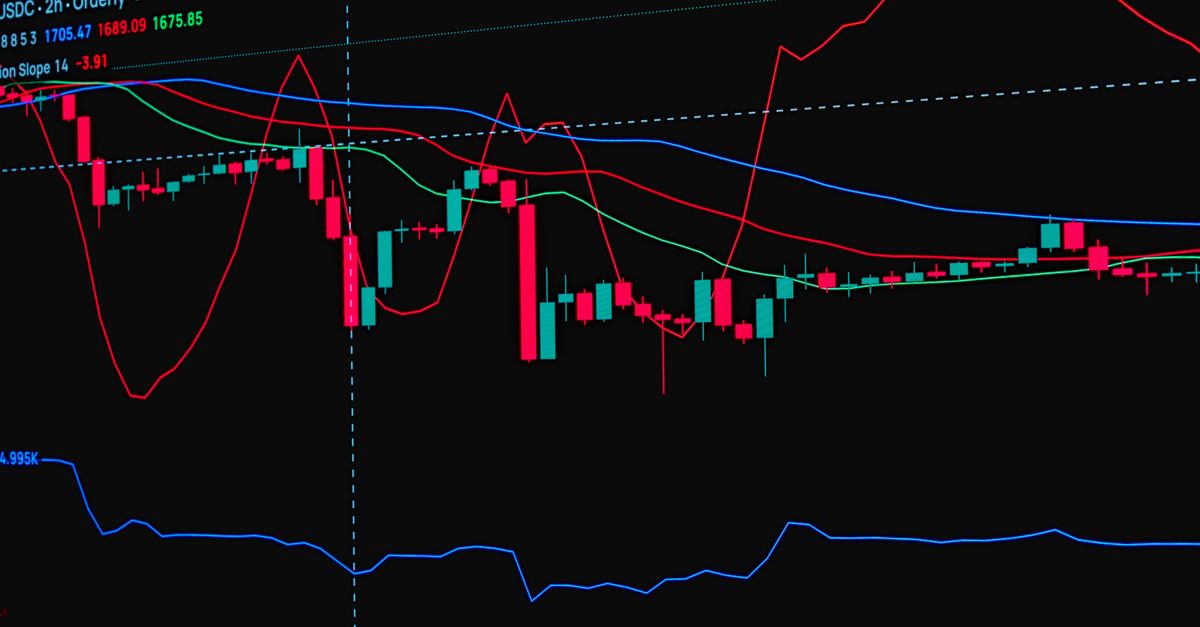
The "Boring" Asset is Suddenly Sexy
Let’s talk about the elephant in the room: Crypto. Yes, Gen Z loves a gamble. But here is the twist—we are also terrified of losing everything. We witnessed the FTX collapse. We saw the "rug pulls."
That fear has driven us back to the classics. Index funds are boring. They don't have Lamborghini giveaways or influencer shills. But they have something better: Stability.
The average 25-year-old isn't looking to get rich overnight anymore; they are looking to not be broke at 40. There is a distinct difference.
By choosing index funds over extra work, Gen Z is effectively buying back their time. When you work a side hustle, you are trading a finite resource (your youth, your energy) for a finite reward (a paycheck). When you micro-invest, you are trading an infinite resource (your patience) for a reward that compounds.
I’ve found that this "boring" approach is actually a rebellion against the volatility of the modern world. The economy is unstable, rents are insane, and job security is a myth. In a world that is chaotic, having a portfolio that just tracks the S&P 500 feels like a security blanket.
Why We'd Rather Skip The "Side Hustle" Hustle
Don't get me wrong—I’m not saying side hustles are dead. But the type of side hustles is changing. We aren't interested in trading hours for dollars. We are interested in building assets.
Here is a quick breakdown of why the "Index Fund" route is beating the "Extra Work" route for my generation:
- The Tax Bite: Side hustle income is taxed at your marginal rate, and if you are a 1099 worker, you pay self-employment tax on top of that. It’s brutal. Long-term capital gains on index funds? Much friendlier.
- The Energy Toll: You can't get time back. A side hustle drains your social battery. Investing doesn't care if you had a bad day.
- The Ceiling: A side hustle has a ceiling. There are only 24 hours in a day. An index fund has no ceiling. It grows exponentially.
- The "Set It and Forget It" Factor: I know very few people my age who have the discipline to work 7 days a week. But I know many who have the discipline to set up a recurring $50 transfer every Friday.

The "Lazy" Investment Strategy That Works
Here is the secret sauce that most financial advisors won't tell you because they want to charge you a fee to manage your money: You don't need to be smart to invest. You just need to be consistent.
Micro-investing is the gateway drug to financial literacy. I’ve found that once you see $10 turn into $11, you start asking questions. You start reading about expense ratios. You start caring about the difference between a Roth IRA and a Traditional IRA.
This is a stark contrast to the side hustle culture, which often leads to burnout and cynicism. When you spend your free time driving for Uber, you don't have the mental energy left to learn about finance. You are just surviving.
By choosing the index fund route, we are forcing ourselves to learn the system of wealth creation rather than just the action of earning. It’s a longer game, but it's the only game that ends with actual freedom.
So, What’s The Verdict?
Does this mean you should quit your weekend gig and throw everything into an index fund? No. That would be reckless. But the trend is clear. Gen Z is realizing that "wealth" isn't about how loud you grind; it's about how quietly your money works while you sleep.
We are the generation that grew up with the internet. We know that time is the only non-renewable resource. A side hustle consumes time. An index fund creates time.
The next time someone tries to sell you on the idea that you need to be working 80 hours a week to get ahead, ask them if they are investing in index funds. If they aren't, they are just trying to sell you a shovel during a gold rush.
The future belongs to those who automate. The future belongs to the "lazy" investors who let the market do the heavy lifting. I know which side of that coin I want to be on. The question is—are you going to keep hustling backwards, or are you going to start building forward?




