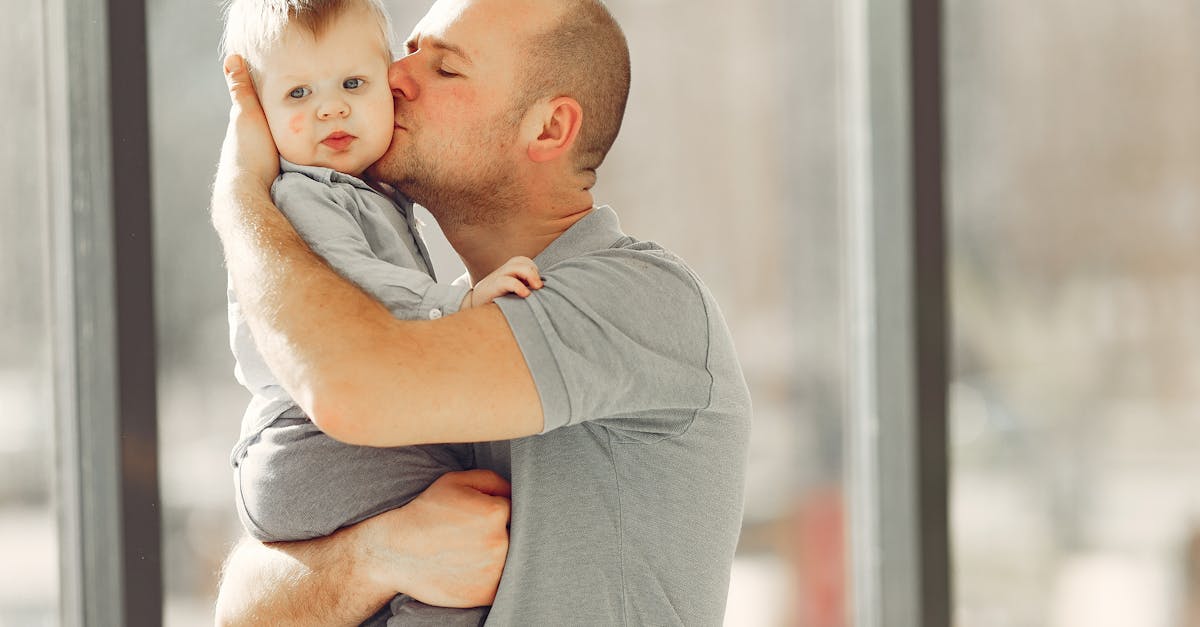
New fathers can experience postpartum depression, according to recent reporting from thestar.com.my, which highlights that the condition is not limited to mothers. The outlet’s coverage points to growing recognition that men may face similar emotional struggles after a child’s birth, though symptoms often go unnoticed or are misattributed.
The reports reference a case from Sydney, where a father received a diagnosis after believing he was failing as a parent. The Daily Telegraph, which covered that story, described the man’s initial self-blame before he learned his feelings were tied to a medical condition. This example, as cited by thestar.com.my, underscores how paternal postpartum depression can mimic or be mistaken for ordinary stress or inadequacy.
Additional coverage from romper.com, also cited in the summary, notes that partners—including fathers—can develop postpartum depression alongside or independently of the birthing parent. The outlet emphasizes that the condition may present differently in men, potentially through irritability, anger, or withdrawal, rather than the more commonly discussed sadness seen in mothers.

The underlying message across these reports is that paternal mental health deserves the same attention as maternal mental health during the postpartum period. While public awareness has historically centered on mothers, the recent articles suggest a shift toward recognizing that fathers are also vulnerable. The Sydney father’s story, in particular, illustrates how delayed recognition can prolong suffering, as he initially internalized his symptoms as personal failure.
Looking ahead, experts and advocates cited in these reports are likely to push for better screening tools and support resources tailored to new fathers. The next step will be whether healthcare systems adapt to include paternal mental health checks as a routine part of postnatal care.



