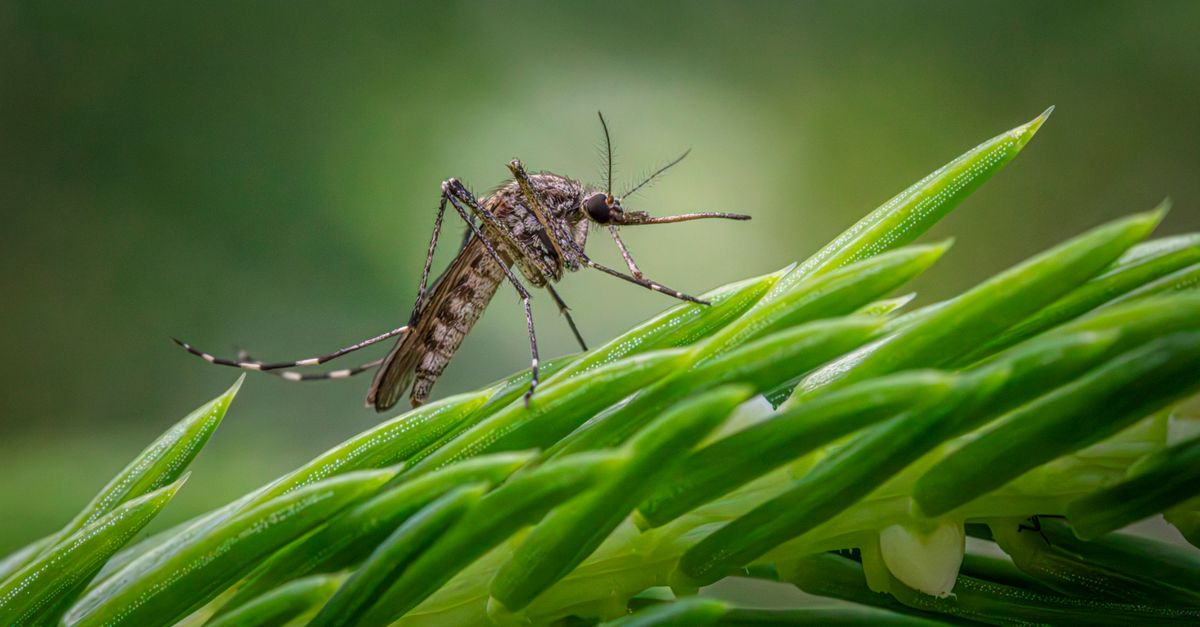
The mosquitoes that carry malaria are developing ways to get around bed nets, according to reporting by The Telegraph published on 10 September 2026. The outlet describes the shift as an evolutionary response that threatens a long-standing tool in malaria control.
The Telegraph also reports that a solution may exist, though it does not detail what that solution is in the material available. Separately, Wits University has published a piece dated September 2026 asking whether the future of malaria control could involve more mosquitoes rather than fewer.
Taken together, the two items point to a moment when established prevention methods are under pressure and researchers are weighing unconventional alternatives. Bed nets have been a cornerstone of efforts to reduce malaria transmission, but the Telegraph's reporting suggests the insects are finding ways around them.
The Wits University headline frames the question as an open one, and the material available does not specify the methods or findings behind it. What is clear from both sources is that the conversation around malaria prevention is shifting, with scientists examining approaches that depart from simply reducing mosquito numbers.

Both outlets are pointing toward the same underlying problem: tools that once worked reliably may not hold up indefinitely against a species that adapts quickly. The Telegraph frames the development as evolution in action, while the Wits University piece signals that the research community is considering responses that may look counterintuitive at first glance.
What to watch next: whether The Telegraph or Wits University publishes further details on the proposed solution and how it would be deployed in malaria-affected regions.



