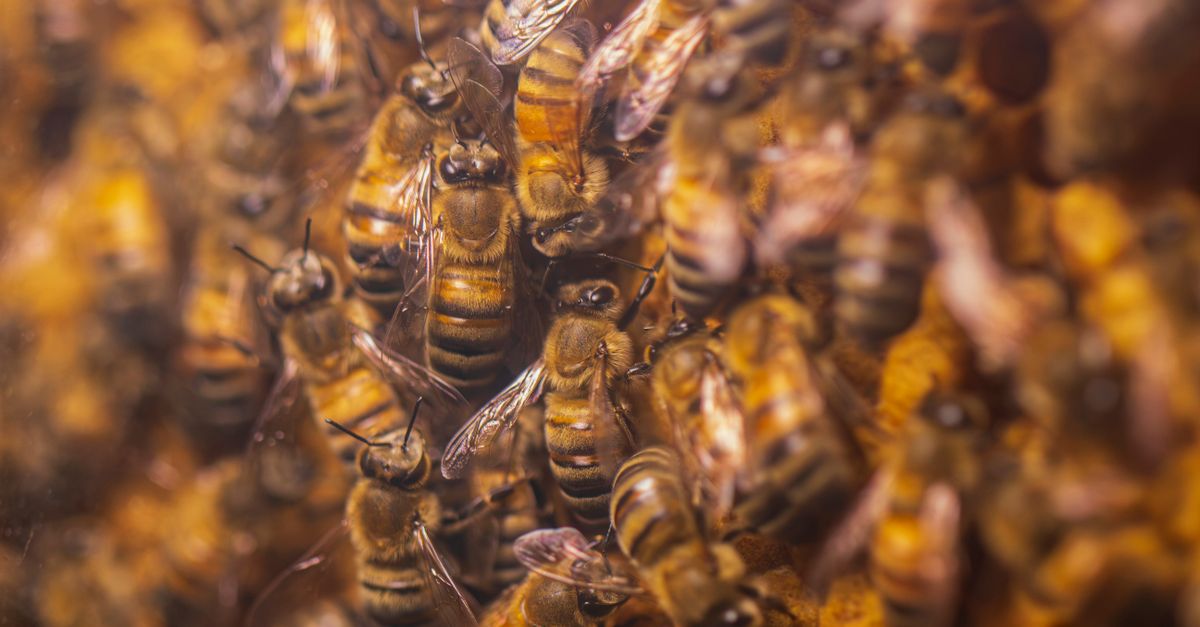
Honey bees may serve as an early warning system for ecosystem distress, according to a report from Earth.com published on August 31, 2026. The outlet indicates that changes in bee behavior or colony health could alert researchers to broader environmental problems before they become obvious.
Earth.com’s report suggests that monitoring honey bee populations could provide valuable insight into the condition of local habitats. Because bees interact closely with plants, soil, and weather patterns, their status may reflect shifts in the natural world that are not yet visible to human observers.
The idea builds on existing knowledge that pollinators are highly sensitive to environmental changes, such as pesticide use, habitat loss, and climate variation. Earth.com’s coverage frames honey bees not just as agricultural helpers, but as biological sensors that can detect trouble early. If their numbers drop or their foraging patterns change, it may signal that an ecosystem is under stress.

The report does not specify which particular threats or regions were studied, but the general implication is clear: paying attention to bees could help scientists and land managers act sooner. Rather than waiting for visible damage to plants or wildlife, tracking bee health might offer a faster, cheaper way to gauge ecological stability.
What to watch next is whether researchers will develop standardized methods for using bee data in routine environmental assessments. If that happens, honey bees could become a regular part of how we monitor the natural world, according to Earth.com.



