
My dad still talks about the 1980 "Miracle on Ice" like it happened last Tuesday. He was 19, watching a bunch of college kids from Minnesota and Boston take down the Soviet juggernaut that had basically been bred in a lab to win hockey games. He remembers throwing a couch cushion at the ceiling. He remembers his neighbor honking a car horn at 2 AM.
I used to roll my eyes at the nostalgia. Then I watched Leicester City win the Premier League in 2016, and I finally got it.
There's something primal about an underdog run. It's not just sports — it's proof that the script isn't locked, that the favorite doesn't always eat first. The most unexpected championship runs in history don't just give us highlights. They give us permission to believe that the math might be wrong.
Let's talk about the ones that genuinely broke people's brains.
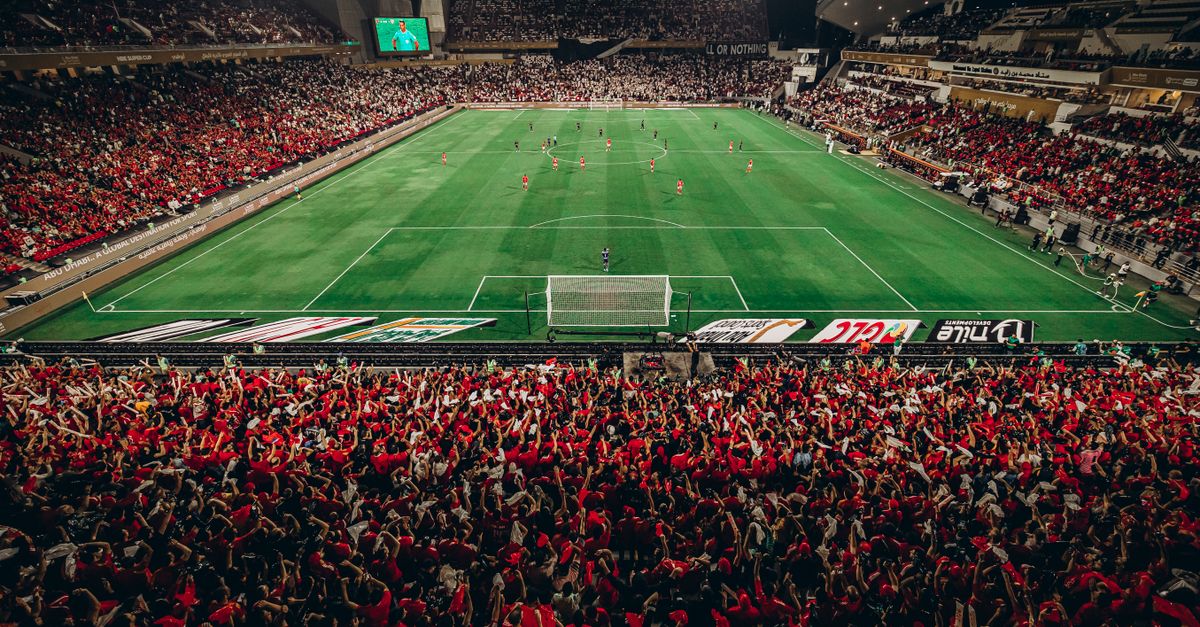
Leicester City: 5,000-to-1 Odds and Zero Respect
Let's be honest — if you put money on Leicester City to win the 2015-16 Premier League title, you either had insider knowledge or you were burning cash for fun. Bookmakers listed them at 5,000-to-1. For context, that's roughly the same odds as finding Elvis alive and well in a Waffle House.
The season before, they were nearly relegated. They'd spent most of the year in last place. Then Claudio Ranieri — a manager everyone had written off as a nice guy who couldn't win the big one — assembled a squad of castoffs and journeymen. Jamie Vardy, who was playing non-league football a few years earlier, scored in 11 straight games. Riyad Mahrez turned defenders into traffic cones. N'Golo Kanté covered so much ground that NASA reportedly considered studying him.
They didn't just win. They won by 10 points.
Here's what most people miss about Leicester: their title wasn't a fluke of a weak league. That same season, the traditional giants — Chelsea, Manchester United, Liverpool — all had competent squads. Leicester just outworked, out-organized, and out-believed everyone. It's the single greatest underdog championship story in modern sports, full stop.
When Buster Douglas Knocked Out the Impossible
If you're too young to remember February 11, 1990, let me set the scene. Mike Tyson was 37-0. He wasn't just heavyweight champion — he was a cultural force of nature. He'd already knocked out Michael Spinks in 91 seconds. Bookies had Tyson at 42-to-1 to beat James "Buster" Douglas, a 29-year-old journeyman who had reportedly been partying in Tokyo instead of training.
The fight was supposed to be a formality. A paycheck. A tune-up.
Then in the eighth round, Douglas — still fighting despite being knocked down in the earlier rounds — landed a four-punch combination that sent Tyson to the canvas. The referee counted to ten. The crowd went silent. The impossible had just happened on live television.
I've found that the Buster Douglas fight gets reduced to "Tyson got lazy." That's lazy analysis. Douglas fought the best fight of his life on the biggest stage, and he did it while grieving his mother, who had died just weeks earlier. That's not luck. That's a man deciding that the script was wrong and tearing it up.

The 1969 Mets: When Lovable Losers Actually Won
The New York Mets were a punchline for most of the 1960s. In their first seven seasons, they lost 100+ games five times. They were so bad that fans showed up just to watch them be bad. It was performance art.
Then 1969 happened.
The Mets went from ninth place in 1968 to winning 100 games in 1969. Their pitching staff — Tom Seaver, Jerry Koosman, and a 22-year-old Nolan Ryan — was absurd. But the real magic was the vibe. They were young, cocky, and completely unbothered by the fact that they were supposed to lose. They swept the Atlanta Braves in the NLCS, then beat the heavily favored Baltimore Orioles in the World Series in five games.
My grandfather — a lifelong Yankees fan — told me he secretly rooted for the '69 Mets because "they looked like they were having fun, and the Orioles looked like they were at a tax audit."
There's a lesson buried in that. Underdogs win when they stop playing the role of underdog and start playing the role of champion.
The Teams Nobody Saw Coming (A Quick List)
Some runs deserve a shoutout without a full essay:
- 1990 Cincinnati Reds: Swept the Oakland A's — the team with the highest payroll and the Bash Brothers — in the World Series. The Reds were so overlooked that the A's reportedly booked parade routes before the series started.
- 2004 Greece Euro Cup: Ranked 150-to-1 to win. Beat France, Czech Republic, and host Portugal twice. Their entire tournament strategy was "defend like Spartans and score on set pieces." It worked.
- 2017 Philadelphia Eagles: Lost their starting quarterback, Carson Wentz, in December. Backup Nick Foles — who had nearly retired the year before — outdueled Tom Brady in Super Bowl LII. The "Philly Special" is now a permanent part of NFL lore.
- 1983 NC State Wolfpack: Jim Valvano's team needed to win the ACC tournament just to make the NCAA tournament. Then they beat Houston's Phi Slama Jama — arguably the greatest college team ever assembled — on a last-second airball that turned into a dunk.

Why We Can't Stop Watching the Impossible
Here's the thing about championship runs that defy expectations: they're not just entertainment. They're evidence. They're receipts that prove the system isn't rigged all the way down, that preparation plus belief plus a little chaos can topple a dynasty.
I've found that people who love underdog stories tend to love them for the same reason: they see themselves in the team that nobody picked. The one with the smaller budget, the less famous coach, the roster full of "who?" The one that had to win the hard way.
Sports gives us something that real life rarely does — a definitive scoreboard. When Leicester wins, when Douglas drops Tyson, when the Mets shock the world, the scoreboard doesn't care about the narrative. It just says: they won. And for a few hours, the universe feels fair.
So here's my challenge to you: next time you're the underdog — in a job interview, a pitch meeting, a pickup game, a creative project — remember that the odds are just numbers. Numbers can be wrong.
Ask Buster Douglas. He'll tell you.