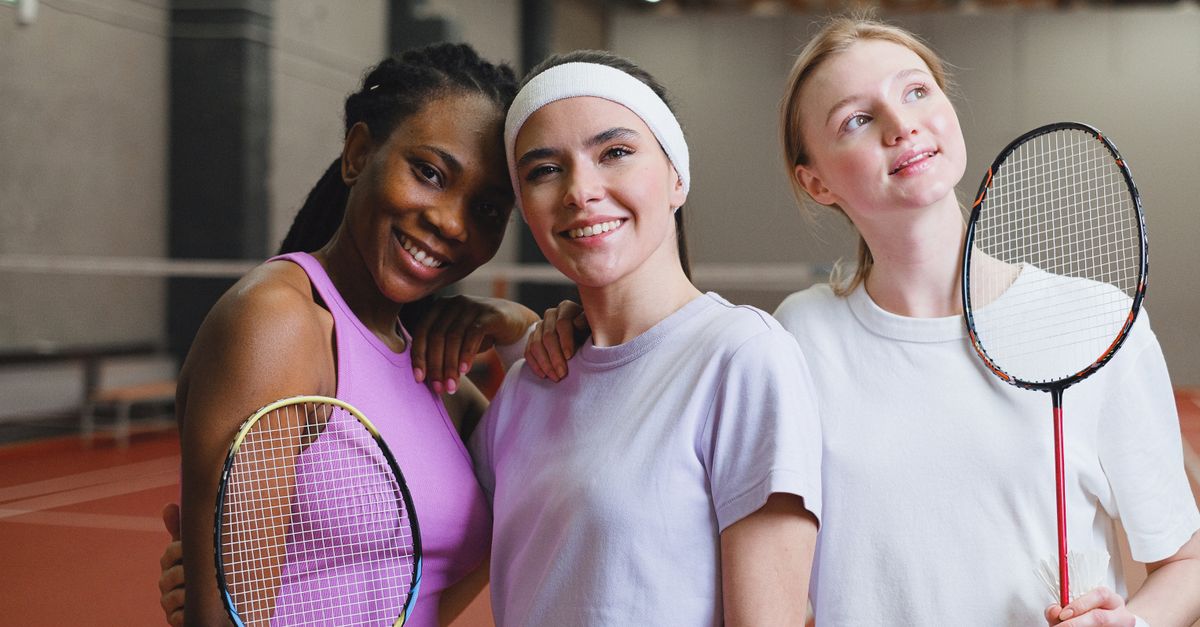
I remember the exact moment I realized the landscape had shifted. It wasn't during a gold medal ceremony or a World Cup final. It was in a crowded sports bar in Atlanta, packed for a men’s college football game. The sound was deafening. But then, the jumbotron cut to a women’s gymnastics meet. For two seconds, the entire bar went silent, watching a young woman defy gravity. Then the game came back on, and the noise returned.
But those two seconds stuck with me. It was a glimpse of the respect that has always been earned, yet rarely broadcast. We talk about the "growth" of women's sports as if it’s a new trend, a marketing pivot. But the truth is far messier, far more painful, and infinitely more triumphant. This isn't just a story about scoreboards; it's about a cultural reckoning that has been decades in the making.
The Quiet Before the Roar
Let’s be honest: for a long time, watching women’s sports felt like being part of a secret club. You had to hunt for the games on obscure cable channels or refresh live score trackers because the mainstream coverage was nonexistent. I grew up idolizing athletes I only read about in the back pages of the newspaper—if I was lucky.
We’ve all heard the tired excuses: "The athleticism isn't there," or "The pace is too slow." But here’s what most people miss—those critiques were never about the actual sport. They were about perception. When I watch a women’s basketball game today, I see fundamentals that would make most NBA coaches weep with joy. The spacing, the ball movement, the sheer tactical intelligence... it’s chess, not checkers.
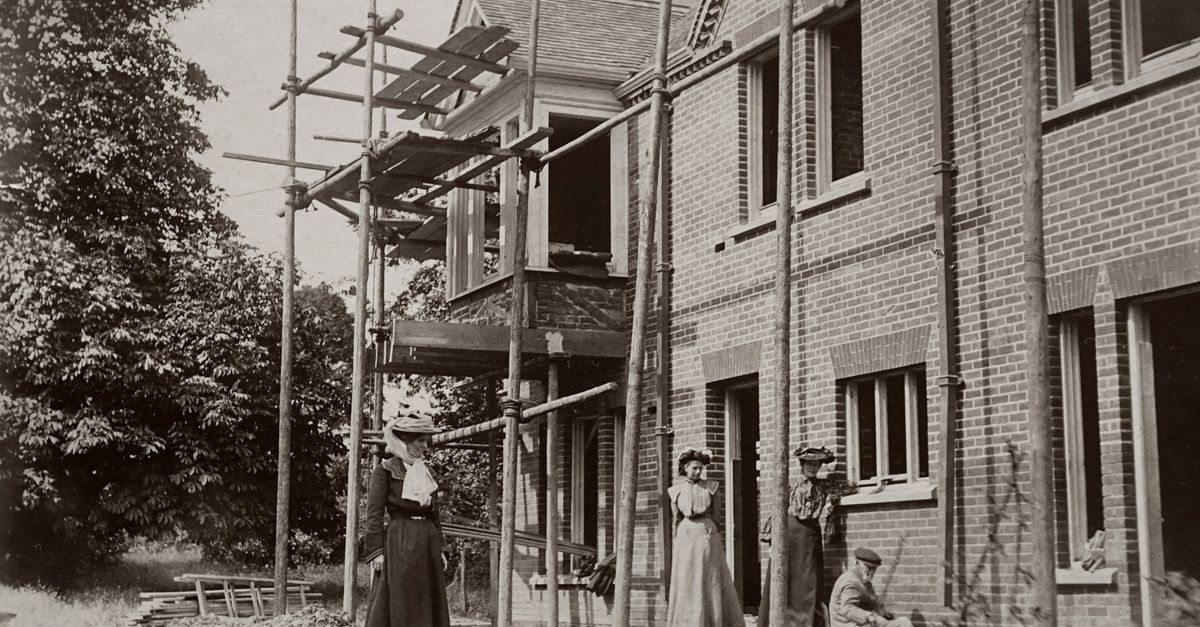
The pioneers didn't have the luxury of NIL deals or social media followings. They played for the love of the game, often paying for their own travel and equipment. They played in front of crowds that could fit in a high school gymnasium, yet they treated every possession like it was the finals of the Olympics. That grit is the foundation upon which today’s superstars stand.
The Numbers Don't Lie (Anymore)
I’ve found that people love to argue about the business case for women's sports. They point to sponsorship dollars and broadcast rights as if they are immutable laws of physics. But economics is a reflection of culture, not the other way around.
We saw the dam break during the 2023 NCAA Women’s Basketball Tournament. The LSU vs. Iowa game shattered viewership records, pulling in nearly 10 million viewers. That wasn't a fluke; that was a demand that had been suppressed for years. It was the moment the "silent" audience finally got a platform to be loud.
Here is the reality check that the old guard is struggling to accept:
- Ticket Sales: Women’s volleyball and gymnastics regularly sell out arenas months in advance.
- Merchandise: Jerseys for female athletes are finally flying off the shelves, not just for the men.
- Engagement: The social media engagement rate for women’s sports is often higher than men’s, because the connection is more personal, more authentic.
The Burden of Being a Role Model
There is a weight that female athletes carry that their male counterparts simply don't understand. When a male player has a bad game, he’s just "off." When a female player has a bad game, it’s often used as evidence to devalue her entire sport. They aren't just playing for a championship; they are playing to justify their existence in the public eye.

I remember watching the US Women’s National Team fight for equal pay. It wasn't just about the money—though that was crucial. It was about the principle of respect. They were told to "be grateful" for what they had, while simultaneously generating more revenue than the men's team in certain years. That fight, played out in courts and in the media, did more for the psyche of young girls than any victory parade ever could.
It taught us that glory isn't just handed to you. Sometimes, you have to grab it by the collar and demand it. The current generation of athletes—the Caitlin Clarks, the A'ja Wilsons, the Megan Rapinoes of the world—they stand on the shoulders of women who were told "no" and replied "watch me."
The Ripple Effect on the Next Generation
Here is where the story gets truly exciting. We are now in the era of the "Caitlin Clark Effect." It’s not just about her logo threes; it’s about the economic boom she brings to every city she visits. When she enters the WNBA, away game attendance spikes. That is star power.
But the most profound impact is invisible to the stat sheets. It’s the little girl in the stands who is watching a woman dunk a basketball or sprint down the pitch and thinks, "I can do that." When I was a kid, my heroes were distant figures on a screen who didn't look like me. Now, young athletes can walk into a stadium and see their future selves in the flesh.
This visibility is breaking down barriers that legislation couldn't. It’s changing the conversations at dinner tables. Parents are now investing in their daughters' athletic careers with the same fervor they once reserved for their sons. They see a pathway to college scholarships and professional careers that didn't exist a generation ago.
Why I’m Done Apologizing
For years, I felt like I had to preface my love for women's sports with a disclaimer. "I know it's not the NBA, but..." or "The pace is different, but..." No more. I am done apologizing for enjoying elite athleticism.
Let’s look at the artistry. The technical proficiency in women’s tennis is breathtaking. The endurance in marathon running is humbling. The creativity in soccer is inspiring. It is not "lesser than"—it is different. And different is not a synonym for inferior.

The records are falling. The barriers are crumbling. We are watching history happen in real-time, but it isn't just about the big moments on TV. It’s about the thousands of unsung heroes coaching youth leagues, the athletic directors fighting for equal facilities, and the fans who show up to minor league games because they love the sport.
We are shifting from a narrative of "supporting women's sports" to simply "supporting sports." That is the endgame. It’s not about charity; it’s about recognizing excellence where it exists. The box office is open, the seats are filled, and the players are performing.
The question isn't whether women's sports will survive. They have survived. The question is whether the rest of the world is ready to stop treating them like a novelty and start treating them like the main event. I know my answer. What’s yours? Go buy a ticket. Turn on the game. Let your voice join the roar.