
The average person checks their phone 96 times a day. That’s not a typo. We touch our devices roughly once every ten minutes during waking hours. But here’s the part that actually made me spit out my coffee: we spend most of that time not working, not connecting, but escaping. We scroll to decompress from the very screen we’re glued to. It’s a vicious, energy-draining loop, and it’s the silent killer of any attempt at a balanced week.
We don’t have a time management problem. Let’s be honest—we have an attention management problem. You can’t "fit in" mental health like a dentist appointment between 2:00 and 3:00 PM on a Tuesday. That’s not balance; that’s a scheduled panic attack. If you want to design a week that actually prioritizes your sanity, you have to stop treating your calendar like a storage unit and start treating it like a garden. Here is how I hacked my own schedule to stop running on fumes.
The Myth of the "Perfectly Optimized" Calendar
I used to be the guy who color-coded my Google Calendar. I had blocks for "Deep Work," "Emails," "Gym," and "Meal Prep." It looked beautiful. It looked like the cover of a productivity magazine. And it made me miserable.
Here’s what most people miss: Optimization is the enemy of resilience. When you schedule every single hour, you leave zero room for the human condition. What happens when you have a flat tire? Or when your kid gets sick? Or when you just feel... off? The whole house of cards collapses, and you feel like a failure because you didn't adhere to a robot's schedule.
I’ve found that the most effective weeks aren't packed to the brim; they have strategic emptiness. I’m talking about literal white space on your calendar. If you don't schedule "buffer time," your brain never gets to rest—it just switches context. The goal isn't to do more in seven days; it's to do the right things with more presence.
Stop Treating Energy Like It’s Infinite
We all know the standard advice: get 8 hours of sleep, drink water, take breaks. Yawn. That’s generic advice for generic people. Let’s get specific.
I track my energy, not my time. For two weeks, I jotted down my mental clarity at different points of the day. The results were shocking. I was trying to write creative content at 2:00 PM—right after a carb-heavy lunch—when my brain was basically swimming in a soup of tryptophan. No wonder I was hitting writer's block.

You need to audit your biological clock. Are you a morning lark or a night owl? If you’re a lark, stop scheduling difficult conversations for 4:00 PM. If you’re an owl, stop forcing yourself to do deep work at 6:00 AM just because "successful CEOs do it."
Here’s the shift: Schedule tasks based on your mental capacity, not the clock. For me, 9:00 AM to 11:00 AM is my "creative fortress." I guard that time with my life. I do not check emails. I do not take calls. I write. Then, I allow my brain to rot for a bit with admin tasks and meetings. By aligning my workload with my natural energy waves, I get more done in 3 hours than I used to in 8.
The "Anti-List" and the Power of the Hard No
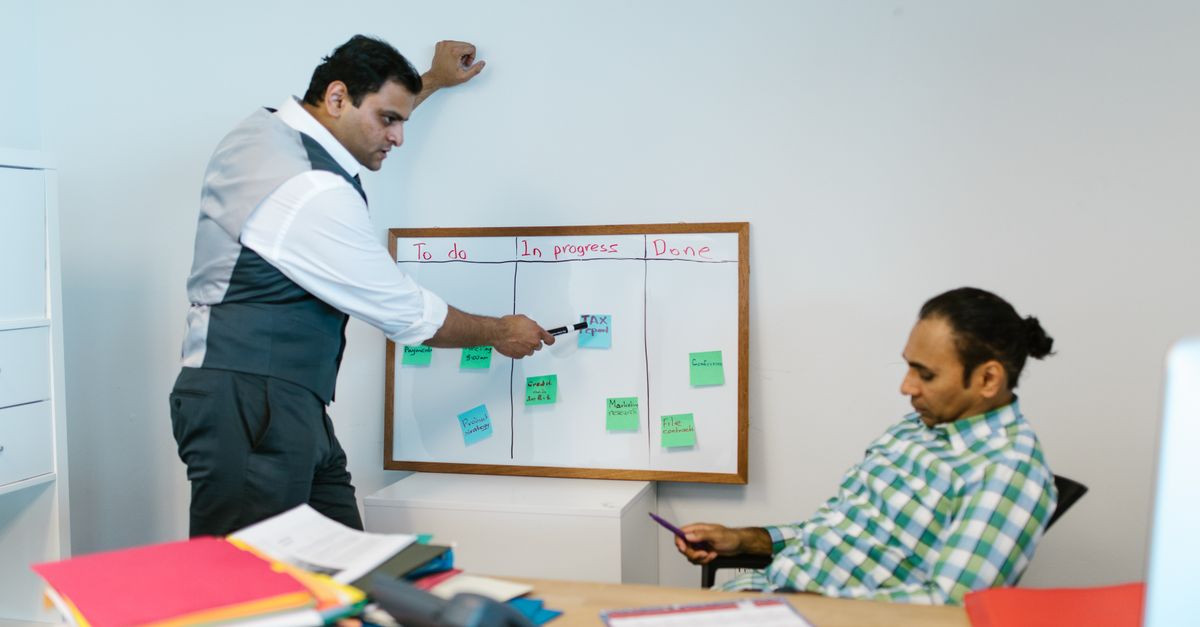
We love to-do lists. They give us a dopamine hit just by writing things down. But often, our to-do lists are just a list of other people's priorities we've agreed to handle.
I want you to try something different: create an "Anti-List." This is a list of things you are refusing to do this week. Not because you don't have time, but because they drain you.
- I will not check work emails after 7:00 PM.
- I will not say "yes" to meetings without an agenda.
- I will not scroll social media during my lunch break.
- I will not feel guilty for leaving the office at 5:30 PM.
Designing the "Bookends" of Your Day
Most people wake up and immediately check their phones. They let the chaos of the world rush into their brains before they’ve even had a glass of water. Then, they sleep with the TV on or scroll until their eyes burn.
I’ve found that the secret to a balanced week isn't in the middle of the day—it's in the transitions. You need "bookends."
My morning routine is boring on purpose. I wake up, I drink water, and I sit in silence for 10 minutes. No phone. No news. No input. It sets a defensive tone for the day. It tells my brain, "We are in control here."
My evening routine is non-negotiable. I have a phone-curfew. I plug my phone in a different room 60 minutes before bed. The first hour of my morning and the last hour of my night belong to me, not to the algorithm. If you are constantly starting your day in a reactive state, your entire week will feel like you're playing defense. You have to play offense with your own attention.
The "One Big Rock" Principle
You’ve probably heard of the jar with rocks, pebbles, and sand. If you put the sand in first (the small stuff), the big rocks (your health, your passion projects) won't fit. If you put the big rocks in first, everything else settles around them.
In a week, your "Big Rock" is your non-negotiable mental health anchor. It could be a 45-minute gym session, a therapy appointment, a long walk in the park, or a date night with your partner.
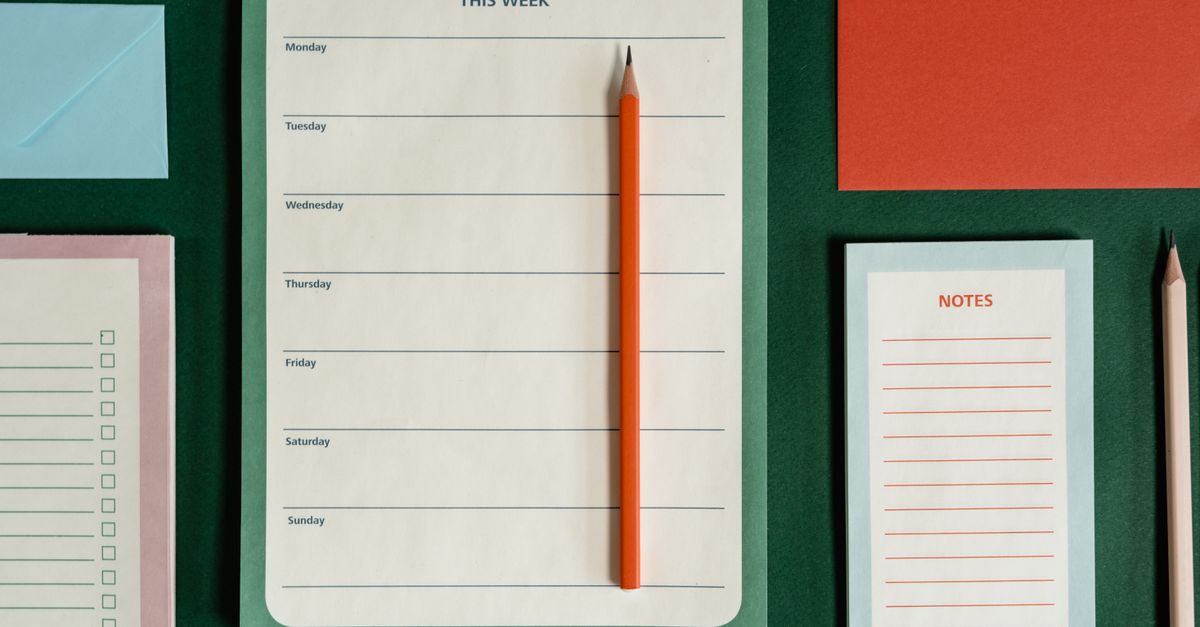
The problem? Most people treat this as a "nice to have." They say, "I'll go to the gym if I finish these TPS reports early." That’s backward. You must schedule the Big Rock first. On Sunday night, I literally draw a red box around my "Me Time" for the week. It is an appointment with myself that I cannot cancel unless someone is bleeding.
When you honor that block, you are sending a powerful message to your subconscious: I matter. This isn't selfishness; it's maintenance. You can't pour from an empty cup, as cheesy as that sounds. You need to refill the well before it runs dry, not after.
The 90-Minute Sprint: Work With Your Brain, Not Against It
Do you know why we get that 3:00 PM slump? It’s not just lunch. It’s because we’ve been working in a constant, low-grade state of distraction for hours.
I stopped working in 8-hour blocks. I now work in 90-minute sprints. Studies show that our brains naturally cycle through ultradian rhythms—periods of high focus followed by periods of fatigue. By forcing myself to work for 90 minutes without interruption, I actually reduce my total work time.
Here’s the catch: to make this work, you have to batch your interruptions. I told my team that I check Slack at 11:30 AM and 3:30 PM. If they need me urgently, they call. This single change reduced my anxiety by half. I stopped living in a state of "constant emergency." I stopped feeling like a firefighter putting out fires that didn't exist.
So, What’s Your Week Going to Look Like?
Designing a week that prioritizes mental health isn't about doing less—it's about doing what matters with more intention. It’s about realizing that your attention is your life. If you give it away to every notification, you don't have a life; you have a series of interruptions.
This week, I dare you to do one thing: Schedule a "Do Not Disturb" block for yourself that is as long as your most important meeting. Treat it with the same respect. See what happens to your stress levels when you actually keep that promise to yourself.
The goal isn't a perfect week. The goal is a human week. One where you finish Friday not feeling like a deflated balloon, but feeling like you actually showed up for yourself.



