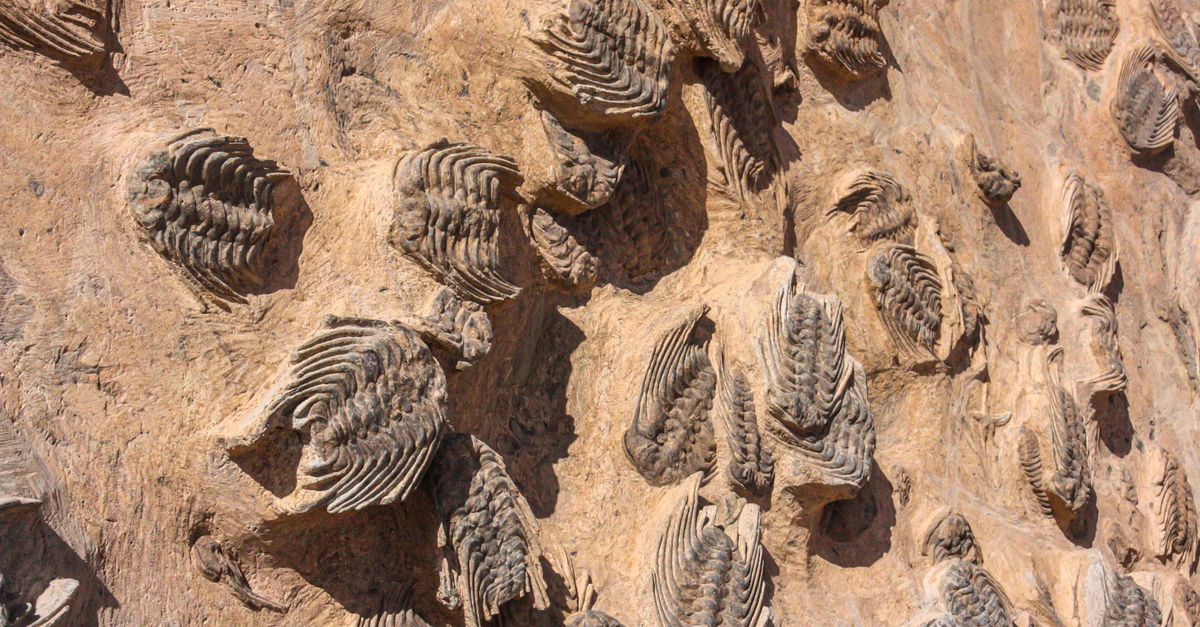
A fossil estimated to be 240 million years old that went missing for two decades has been rediscovered, leading scientists to identify it as a previously unknown reptile relative, according to timesofindia.indiatimes.com.
The specimen, which was originally unearthed before its disappearance, resurfaced after 20 years. Upon re-examination, researchers determined that the ancient remains belong to a new branch of the reptile family tree, the outlet reports. The finding adds a newly recognized species to the scientific record of that era.
The Times of India report, published on September 9, 2026, does not specify where the fossil was initially found or the exact circumstances of its loss. However, the timeline places the creature in the Middle Triassic period, a time when early reptiles were diversifying alongside the ancestors of dinosaurs and mammals. The rediscovery underscores how even long-lost specimens can reshape scientific understanding when they are finally studied with fresh eyes.
Paleontologists often rely on museum archives and private collections to track down missing material, and this case highlights the importance of maintaining careful records. The identification of the new reptile relative, based on the recovered fossil, adds a small but significant piece to the puzzle of ancient life.
Looking ahead, researchers will likely seek to place this new reptile more precisely within the broader evolutionary tree, comparing its features to other known Triassic species. Further study of the specimen could clarify how this animal lived and what its existence reveals about the ecosystems of its time.



