
The European Space Agency’s BepiColombo mission is now on its final approach to Mercury, according to Ars Technica. The two spacecraft that make up the mission have spent roughly eight years traveling through the inner solar system and are beginning their arrival sequence at the planet.
BepiColombo launched in 2018 as a joint European-Japanese effort to study Mercury up close. The mission consists of two orbiters that will separate once they reach their destination, allowing each to focus on different aspects of the planet’s composition, magnetic field, and surface. Ars Technica reports that the spacecraft pair has now entered the final phase of their voyage, with arrival operations underway.
The mission has faced a long and circuitous route to Mercury, using multiple gravity assists from Earth, Venus, and Mercury itself to slow down enough to enter orbit. Mercury is notoriously difficult to reach because of the sun’s strong gravitational pull, which requires spacecraft to shed significant velocity. According to Ars Technica, the final approach marks the culmination of that decade-long effort.
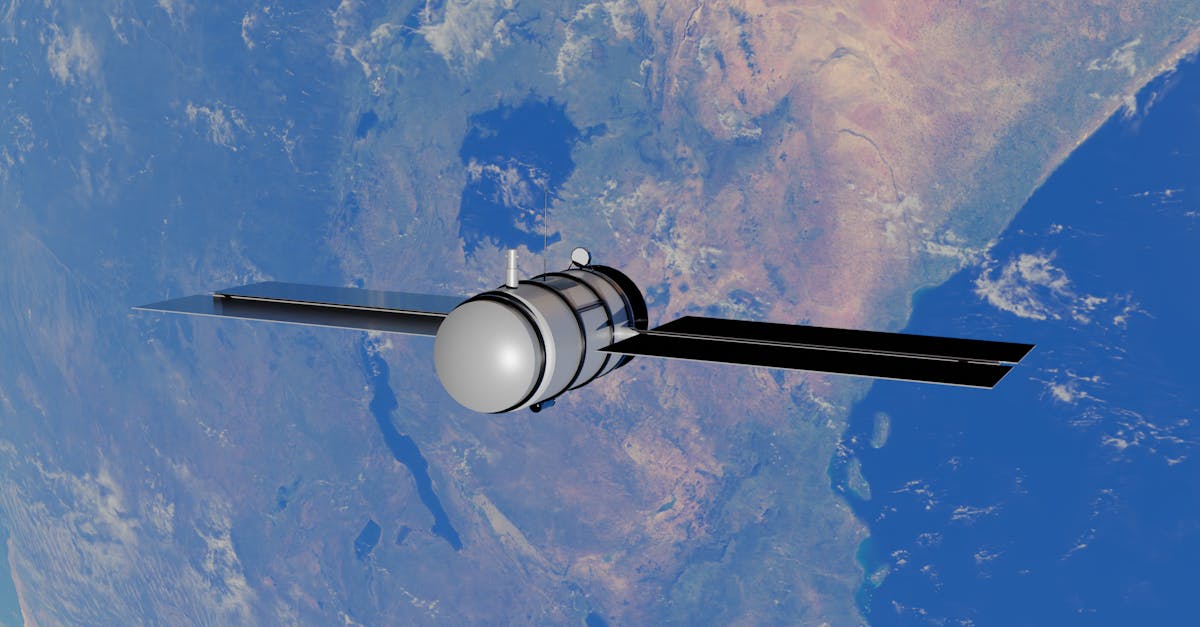
ABC News also covered the milestone, noting that the two spacecraft are drawing closer to Mercury after their nearly decade-long journey. The European Space Agency has been providing updates on the arrival, and Smithsonian Magazine described Mercury as one of the inner solar system’s most mysterious planets, which the mission is expected to help unravel.
The next key step will be the spacecraft’s entry into orbit around Mercury, followed by the separation of the two orbiters. Once operational, the mission is expected to return detailed data on the planet’s geology and magnetic environment.



